
The Fun Side of Martial Arts
Martial arts often conjure images of intense training sessions, disciplined practices, and fierce competition. While these aspects are undeniably important, it’s time to shine a light on the incredibly fun side of martial arts, especially as we welcome both children and adults to the vibrant community at Total Martial Arts Premier Academy!
Let’s explore how martial arts can be an exhilarating journey filled with smiles, laughter, and camaraderie. Whether you are a curious parent looking for the perfect activity for your child, or an adult seeking a fresh and enjoyable way to stay active, martial arts is chock-full of fun opportunities for all ages.
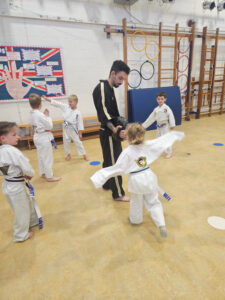 For our Junior Students
The Joy of Learning through Play
For children, martial arts classes present a unique opportunity to learn while having a blast. Unlike traditional sports, where competition can sometimes overshadow the fun, martial arts encourages kids to work together, support one another, and celebrate individual progress. From exciting games that hone coordination and balance to fun drills that mimic superhero moves, each class at Total Martial Arts Premier Academy transforms learning into an adventure.
Imagine a session filled with laughter as children kick their legs in a friendly sparring match or enthusiastically shout “hi-yah!” in an energetic combo drill. These playful interactions not only build practical skills but also foster friendships that can last a lifetime.
Building Confidence through Fun Challenges
Martial arts naturally cultivates confidence as children learn new techniques, earn belts, and overcome challenges. The absence of high-stakes pressure found in many sports allows young practitioners to enjoy the thrill of achieving their first kick or mastering a new form. Each achievement—be it small or significant—is met with cheers from instructors and fellow students, reinforcing a positive atmosphere.
Games like “Shark and Minnow,” where kids must navigate a dojo while avoiding “sharks” (instructors or older kids), not only provide a fun way to practice agility but also create moments of hilarity and excitement. These fun challenges make martial arts appealing to even the most reluctant children, inviting them to join in the experience and keep them coming back for more.
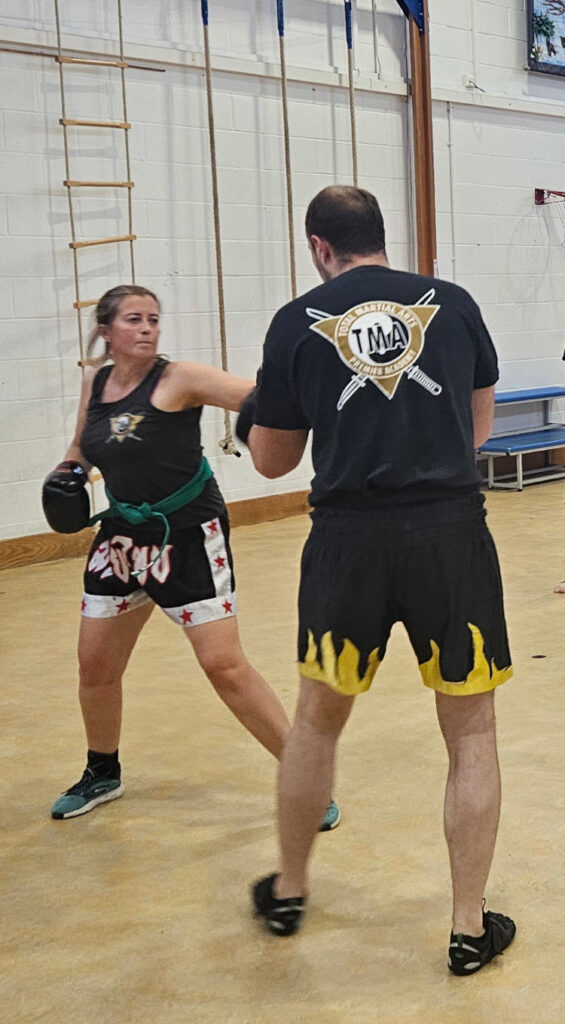 Fun for Adults:
A Break from the Mundane
Let’s face it: Adults often find themselves trapped in the daily grind, balancing work, home responsibilities, and social obligations. In this chaotic routine, committing to an enjoyable fitness activity can feel like a luxury. However, enrolling in martial arts at Total Martial Arts Premier Academy allows you to break free from the mundane and unleash your inner warrior!
Imagine stepping into the dojo, leaving behind the stresses of the day, and immersing yourself in the rhythmic motions of martial arts. The energy in the room is infectious, and soon you’re laughing with classmates, engaging in light-hearted sparring, and absorbing the simple joy of movement.
Socialising while Sweating
Martial arts classes foster a strong sense of community, making it not just a workout but a social experience. Whether you’re paired with a fellow novice, engaging in friendly banter during breaks, or enjoying a post-class drink with new friends, martial arts creates bonds.
Being part of a team—a group that celebrates each other’s victories and supports each other through defeats—adds an enriching dimension to your journey. Plus, the camaraderie often spills over into social events, tournaments, and extra training sessions, providing opportunities to meet like-minded individuals and enjoy collective experiences.
Embracing Creativity and Self-Expression
The Art in Martial Arts
Beyond the sweat and sparring lies an art form filled with techniques that can be tailored to each individual’s style and flair. Practicing martial arts provides adults with a canvas to express themselves. Drawing inspiration from various martial arts disciplines—from the flowing movements of Tai Chi to the explosive energy of kickboxing—students can find a style that resonates with their personality.
Enjoy experimenting with unique combinations in your training? Martial arts is the perfect avenue! As you hone your techniques and embellish them with your creative flair, you’re not simply learning to defend yourself; you’re composing your own martial arts “masterpiece.”
Dance-like Movements
What’s more fun than embracing the rhythm of your movements? Many martial arts incorporate techniques that remind practitioners of dance. This connection enhances the enjoyment factor, as students move gracefully through forms and demonstrations, feeling both like a fighter and a dancer in the spotlight.
At Total Martial Arts Premier Academy, classes often incorporate music or thematic elements that elevate the training experience, transforming a standard workout into a vibrant adventure. This unique blend of culture and creativity ensures you’re not just fighting for fitness; you’re engaging in an expressive art form.
Family Fun: Martial Arts for Everyone
A Shared Experience
One of the most delightful aspects of martial arts is that it’s an activity the entire family can enjoy together! Imagine the family bonding that takes place as you and your children learn side by side, sharing milestones and cheering each other on. At Total Martial Arts Premier Academy, we encourage family classes, allowing parents and children to build memories while picking up valuable skills.
Families can participate in friendly competitions, support each other’s training journeys, or even enjoy themed events like “Family Belt Tests,” where the whole family can showcase their progress in a fun, supportive environment.
Building Lifelong Bonds
Watching your child earn their next belt or successfully complete a challenging routine brings a sense of pride that’s hard to replicate. These experiences strengthen the family dynamic and instil values of persistence, discipline, and enthusiasm that translate beyond martial arts and into everyday life.
Conclusion: The Fun is Just Beginning!
At Total Martial Arts Premier Academy, we pride ourselves on creating an environment where fun thrives, laughter fills the air, and everyone can embark on their martial arts journey together, regardless of age or experience. By focusing on the enjoyable aspects of martial arts, we invite you to experience a transformative journey where each class brings joy, new friendships, and shared accomplishments.
When you join our academy, you’re not just signing up for martial arts classes; you’re stepping into a community filled with laughter, energy, and excitement. So, whether you’re an adult seeking a vibrant escape from routine or a parent looking for a worthwhile activity for your child, total martial arts await you.
Join us at Total Martial Arts Premier Academy, where the fun aspect of martial arts is just beginning. Together, let’s kick, punch, and laugh our way to personal growth and martial arts mastery! Get in touch for more information on classes and events happening in your area!
Let’s embark on this joyous adventure together—your journey in martial arts is waiting!

How Martial Arts Can Shape a Brighter Future for Children
Martial Arts for Children.
In today’s fast-paced world, children face numerous challenges ranging from academic pressures to social dynamics. The importance of equipping them with life skills that foster confidence, discipline, and resilience cannot be overstated.
Total Martial Arts, based in Swindon, provides a unique environment where children can learn these essential attributes through martial arts training. Here, we explore how martial arts can profoundly impact a child’s future for the better.
-
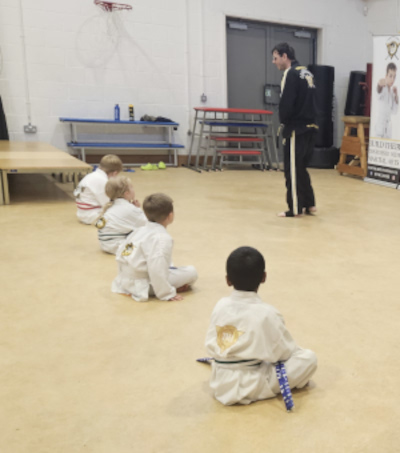 Building Confidence
The Benefits:
Confidence is a cornerstone of personal development, and martial arts training is a potent confidence-builder. As children learn new techniques, such as various forms of self-defence or combat skills, they see their competencies and abilities expand. The achievements, whether small or large, contribute to a greater sense of self-worth.
Consequences of Not Gaining This Skill:
Without the foundational skill of confidence, children may struggle with self-doubt, leading to hesitance in social interactions, academic pursuits, and extracurricular activities. This hesitance can establish a pattern of avoidance that may haunt them into adolescence and adulthood, preventing them from seizing opportunities.
-
Enhancing Discipline and Focus
The Benefits:
Martial arts is steeped in tradition, requiring students to adhere to a strict code of conduct and training protocols. Through regular sparring sessions and drills, children learn the value of discipline. They become adept at setting goals, whether in mastering a technique or advancing in belt ranks. This process fosters focus and teaches them the importance of sustained effort.
Consequences of Not Gaining This Skill:
Children who lack discipline often struggle to complete tasks or remain committed to long-term goals. This can manifest in poor academic performance, lack of perseverance in sports, and difficulty maintaining friendships. The repercussions can become ingrained habits that stifle their potential in various aspects of life.
-
Developing Physical Fitness and Coordination
The Benefits:
Martial arts training requires a high level of physical engagement, which improves overall fitness. These activities develop strength, flexibility, agility, and coordination. Regular practice encourages a healthy lifestyle and instils the importance of physical well-being from a young age, laying the groundwork for lifelong fitness habits.
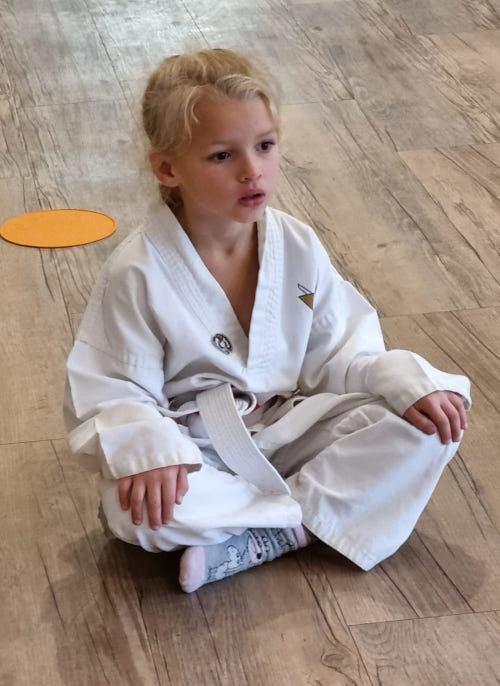 Consequences of Not Gaining This Skill:
Failing to develop physical fitness can lead to a sedentary lifestyle, which is associated with various health concerns, including obesity and related chronic conditions. A lack of physical activity lowers energy levels and increases the risk of mental health issues, such as anxiety and depression.
-
Teaching Respect and Empathy
The Benefits:
At Total Martial Arts, respect is central to all training scenarios. Children learn to respect their instructors, peers, and the art itself. As they engage with classmates in a collaborative environment, empathy is fostered as they learn at different paces and support one another in challenges.
Consequences of Not Gaining This Skill:
Without a strong sense of respect and empathy, children may struggle in relationships both at school and home. They could exhibit bullying behaviour or become victims of bullying themselves. This lack of social awareness can hinder their ability to create meaningful connections, leading to isolation and emotional distress in later life.
-
Cultivating Self-Defence Skills
The Benefits:
One of the most practical benefits of martial arts is the ability to defend oneself. Children learn various techniques to protect themselves and understand the importance of avoiding conflict whenever possible. This instils a sense of security, empowering them to navigate potentially dangerous situations effectively.
Consequences of Not Gaining This Skill:
Children untrained in self-defence may become reluctant to confront situations where they need to assert themselves. This vulnerability can lead to victimisation and an increased sense of insecurity. They may also end up feeling powerless in difficult situations, affecting their mental health and outlook on life.
-
Encouraging Problem-Solving Skills
The Benefits:
Martial arts is not just about physical prowess; it demands acute mental engagement. Children regularly face tactical challenges during sparring and drills, promoting critical thinking and problem-solving skills. They learn how to assess a situation, make quick decisions, and adapt their strategies on the fly.
Consequences of Not Gaining This Skill:
A lack of problem-solving skills can lead to indecision and avoidance when faced with life’s challenges. Children without this capability may struggle academically and socially as they become overwhelmed by simple hurdles. As they progress into adulthood, the inability to navigate challenges effectively can limit their opportunities and personal growth.
-
Fostering a Sense of Community
The Benefits:
Participation in martial arts classes promotes camaraderie and a sense of belonging. Training with peers creates friendships grounded in mutual respect and shared goals. Events, competitions, and belt ceremonies foster a supportive community that can be incredibly beneficial for a child’s development and happiness.
 Consequences of Not Gaining This Skill:
Children who feel isolated may struggle with feelings of loneliness and depression. This alienation can negatively impact their mental health and social skills, making it difficult for them to join in various community activities. This disconnection can hinder their ability to forge meaningful relationships later in life.
-
Instilling Resilience
The Benefits:
Martial arts teaches students the importance of resilience. Children learn to overcome physical and mental obstacles. They experience failures during training, which serve as valuable life lessons. This resilience equips them with the ability to bounce back from setbacks and develops a growth mindset.
Consequences of Not Gaining This Skill:
Without resilience, children may feel defeated by challenges. They might give up easily, leading to frustration and a negative self-image. In later life, this inability to recover from disappointments can significantly impact their capacity to achieve personal and professional goals.
At Total Martial Arts, we believe that the benefits of martial arts for children extends beyond physical fitness and self-defence; they encompass vital life skills that shape a child’s future. Building confidence, discipline, focus, respect, empathy, self-defence capabilities, problem-solving skills, a sense of community, and resilience can create a strong foundation for children as they navigate the complexities of life.
Failing to equip children with these skills can have lasting repercussions, affecting their academic performance, social interactions, physical health, and personal relationships. By investing in martial arts training, parents can provide their children with a valuable toolset to navigate the challenges of life more effectively.
If you’re ready to empower your child through martial arts, join us at Total Martial Arts in Swindon. Let’s work together to shape a brighter future, one punch, and one kick at a time.

The Importance of Verbal Judo in Martial Arts Training
In the world of martial arts, most people immediately think of striking, grappling, and self-defence techniques. However, one aspect that often gets overlooked is communication — specifically, the skill of verbal judo.
At Total Martial Arts, we firmly believe that mastering verbal judo is just as essential as any physical skill taught in our classes. In this blog post, we’ll explore what verbal judo is, why it’s crucial for children and young adults, and how it can empower them in everyday situations.
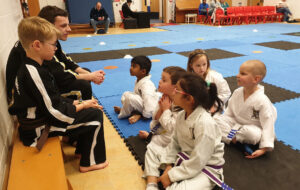 What is Verbal Judo?
Verbal judo is a term coined by Dr. George J. Thompson, a former law enforcement officer and martial artist, who developed techniques to de-escalate potentially violent confrontations through the art of effective communication. The underlying premise is that words can be powerful tools, just as martial arts techniques can be.
Verbal judo focuses on maintaining control of a conversation and diffusing tense situations by employing empathy, patience, and strategic language. Rather than resorting to physical confrontation, this approach fosters understanding and dialogue, making it a valuable skill in both personal and professional settings.
Why is Verbal Judo Essential?
- Conflict Resolution
As children and teenagers navigate their social environments, they inevitably encounter conflicts, whether it be disagreements with peers or misunderstandings with adults. Verbal judo equips them with the skills needed to approach these situations constructively. Instead of escalating tensions, children learn to communicate their feelings and intentions effectively, facilitating resolution without resorting to aggression.
Example: In a playground disagreement over a toy, a child trained in verbal judo might say, “I see you’re upset because you want to play with that. Let’s take turns,” instead of shouting or shoving.
- Emotional Regulation
Teaching children the art of carrying a conversation helps them develop emotional intelligence. Understanding how to phrase their thoughts clearly and positively, they become better at expressing their feelings, which assists in regulating their emotional responses. When children can articulate their emotions rather than acting on them, they are less likely to find themselves in volatile situations.
- Building Self-Confidence
Learning the skill of verbal judo can significantly boost a child’s self-esteem. When they know they can handle difficult conversations appropriately, they become more confident in their social interactions. This confidence transfers to other aspects of their lives, from academic settings to friendships.
Example: A child who can calmly respond to a challenging question from a teacher or effectively state their opinion in a group discussion will likely feel more at ease and secure in their abilities.
- Developing Empathy and Listening Skills
Verbal judo places a strong emphasis on active listening, an essential component for any meaningful interaction. By learning to listen fully before responding, children develop empathy and understanding towards others, making them more skilled communicators. This skill set is increasingly vital in today’s world, where emotional awareness plays a crucial role in interpersonal relationships, whether at home, school, or beyond.
- De-Escalation Techniques
In physical confrontations, understanding how to use words to defuse a situation can be a life-saving skill. Teach children how to recognise rising tensions and provide them with tools to address them verbally. This could mean using humour, acknowledging someone’s feelings, or simply adopting a calm and neutral tone of voice.
Example: In a situation where someone is agitated, a child could say, “I can see that you’re really passionate about this. Let’s talk about what we can do to work this out.”
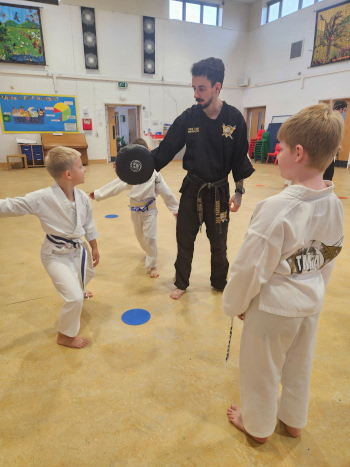 How Does Verbal Judo Complement Physical Martial Arts Training?
- A Comprehensive Skillset
At Total Martial Arts, our philosophy is rooted in the idea that effective martial artists are well-balanced individuals. The integration of verbal judo with physical training creates a comprehensive skill set. While physical techniques are crucial for self-defence, the ability to handle conflict verbally empowers children in all areas of life.
- Enhancing Situational Awareness
Engaging in both verbal and physical training improves a child’s situational awareness. They learn to assess their environment, recognise potential conflicts, and use the appropriate responses. By cultivating this awareness, children can de-escalate scenarios before they evolve into physical altercations.
- Confidence in All Aspects of Life
When children learn to combine physical techniques with effective communication, they develop confidence not only in self-defence but also in various social settings. They become not just better martial artists, but also better friends, family members, and community members.
- Reinforcing Values of Respect and Integrity
Martial arts training places a strong emphasis on respect and integrity. By teaching verbal judo alongside physical techniques, children learn to honour these values in their interactions. Communication becomes a means of building bridges and resolving conflicts rather than a tool for bullying or intimidation.
Practical Exercises for Verbal Judo
Integrating verbal judo into martial arts training or everyday life can be done through various exercises:
- Role Play Scenarios
We encourage role-playing exercises where children can practice conflict situations. Pair them up and have them take turns using verbal judo techniques to navigate these challenges. This could include dealing with peer pressure, resolving disputes, or responding to criticism.
- Reflection and Discussion
After a class or a particularly challenging day, we have a reflective discussion. Encourage children to share what made them frustrated and how they might respond better in the future. This opens the floor for learning and growth while emphasising the importance of verbal skills.
- Storytelling and Active Listening Games
We engage children in storytelling sessions where they must pay attention to details and respond thoughtfully to questions. This encourages active listening skills and helps them practice speaking clearly and with intent.
Conclusion
Incorporating verbal judo into martial arts training is essential for fostering well-rounded individuals. At Total Martial Arts, we are committed to providing our students with the tools they need to navigate conflicts effectively and confidently, ensuring they are not only capable fighters but also outstanding communicators.
By focusing on verbal judo skills, we equip children and teenagers with the ability to face life’s challenges with poise and wisdom. If you’re a parent in the UK and are looking to enrich your child’s martial arts experience, we invite you to join us at Total Martial Arts. Together, we can empower the next generation to thrive in every aspect of life.
For more information, get in touch and discover how our unique training can provide your child with invaluable skills for both the dojo and life beyond.
10 Top Tips for Teenagers and Young People: Staying Safe on the Streets
As parents, one of our primary concerns is the safety of our children, especially as they grow into teenagers and gain more independence.
The streets can present various potential dangers, from confrontational situations to unsafe environments. Equipping teenagers and young people with the knowledge and skills to navigate these challenges is crucial.
In this blog post, we will outline ten essential tips for teenagers to stay safe on the streets, while also emphasizing the significant role martial arts can play in enhancing their physical and mental preparedness.
- Stay Aware of Your Surroundings – Practice Situational Awareness
One of the simplest yet most effective ways to stay safe is to cultivate a habit of situational awareness. Encourage your teenager to be mindful of their surroundings at all times. Whether they are walking, waiting for public transportation, or hanging out with friends, observing the environment can help identify potential dangers early.
Martial Arts Perspective:
Martial arts practice often emphasizes awareness and focus. Training teaches teenagers to read body language and recognize potential threats, which can be invaluable in avoiding dangerous situations. Consider enrolling your teenager in martial arts classes that promote mindfulness and situational awareness.
- Choose Safe Routes – Plan Your Path
Before heading out, your teenager should plan their route, choosing well-lit, populated areas over deserted streets or shortcuts that may be less safe. Encourage them to avoid walking alone, especially in unfamiliar areas.
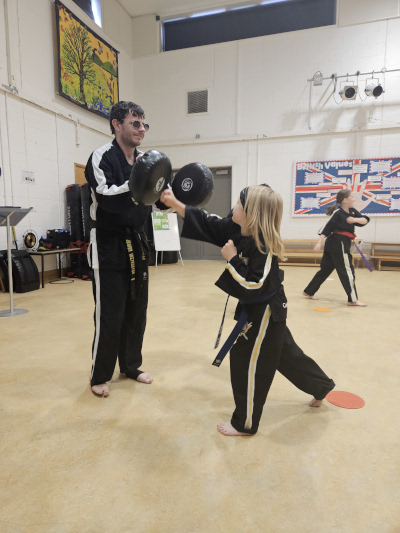 Martial Arts Perspective:
Martial arts training can instill a sense of decision-making and critical thinking. Students learn to assess their surroundings for the safest options, including route choices. This skill can significantly enhance their safety awareness.
- Trust Your Instincts – Listen to Your Gut Feelings
Teenagers should be taught the importance of trusting their instincts. If something feels off or if they sense danger, they should not hesitate to remove themselves from the situation.
Martial Arts Perspective:
Martial arts practice often involves paying attention to one’s body and reflexes. This training can help teenagers enhance their intuition and gut instincts, allowing them to make quicker, safer decisions based on their feelings.
- Avoid Excessive Distractions – Limit Phone Use
While smartphones are essential tools for communication, being overly distracted by them (like texting or scrolling through social media) can be hazardous when out in public. Encourage teenagers to limit phone use when walking and keep it in a secure place.
Martial Arts Perspective:
Training in martial arts teaches focus and the ability to maintain attention in the moment. By practicing mindfulness, teenagers can become more adept at keeping distractions at bay and recognizing their environment.
- Stay Connected – Share Location and Stay in Touch
Encourage your teenager to stay connected with family or friends when out. They can share their location via smartphone apps, which helps parents know their whereabouts and provides an added layer of safety.
Martial Arts Perspective:
Martial arts often fosters a sense of community and camaraderie, teaching youngsters the value of teamwork and communication. These lessons can be applied when they are out in public, encouraging them to keep friends or family informed.
- Avoid Confrontational Situations – De-Escalate Conflicts
Teenagers can sometimes encounter aggressive individuals. It’s vital to teach them not to engage in confrontations. If faced with aggression, they should try to remain calm and seek a way out without escalating the situation.
Martial Arts Perspective:
Martial arts training includes conflict resolution and de-escalation strategies. By learning these skills, teenagers can better handle tense situations and know how to diffuse conflict without resorting to violence.
- Learn Self-Defence Techniques – Enrol in Self-Defence Classes
Practical self-defence training is invaluable. Encouraging your teenager to join martial arts or self-defence classes can equip them with essential skills to protect themselves if faced with danger.
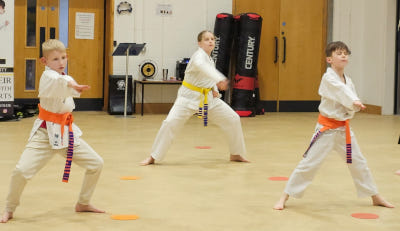 Martial Arts Perspective:
Martial arts focuses heavily on teaching effective self-defence techniques, from striking and blocking to grappling and submission. As they train, teenagers not only learn how to defend themselves but build confidence, discipline, and resilience.
- Avoid Risky Behaviour – Make Informed Choices
Discuss the importance of making responsible choices, especially in high-risk environments. Staying away from drugs and alcohol and avoiding risky situations can significantly reduce the chances of danger.
Martial Arts Perspective:
Many martial arts disciplines reinforce values like respect and discipline. Training helps teenagers develop self-control and understand the consequences of their actions, steering them away from risky behaviours.
- Keep Personal Belongings Secure – Carry Essentials Safely
Encourage your teenager to keep personal belongings secure while on the go. They should avoid carrying large amounts of cash, flashy jewellery, or items that may draw unnecessary attention.
Martial Arts Perspective:
Martial arts training teaches the importance of control and movement. Learning to protect their personal space and belongings can reinforce teenagers’ awareness and precautionary measures in public settings.
- Practice Regularly and Stay Fit – Maintain Physical Fitness
Physical fitness plays a vital role in overall safety. Encourage your teenager to stay active to build stamina and strength. This practice will not only help them perform self-defence moves but also enhance confidence.
Martial Arts Perspective:
Engaging in martial arts can be an exciting way to stay fit. Regular training builds physical strength, agility, and reactions that can be extremely helpful when facing dangerous situations. The mental aspect of regular practice further boosts self-esteem and resilience.
Conclusion
As the world presents teenagers with various challenges, equipping them with essential safety skills is crucial for their independence and well-being.
By following these ten tips, parents can help their teenagers navigate public spaces more confidently and safely. Emphasizing martial arts as a tool for physical self-defence and mental readiness can empower young people to face challenges and handle conflicts effectively.
Remember that teaching them the importance of awareness, trust, and responsible behaviour can create a strong foundation for a safe and confident journey through adolescence.
At TMA our aims are to teach functional and effective martial arts in a fun and friendly environment, whilst strengthening the mind, body and spirit.
Get in touch to book your trial today: 07765 202363
Empowering Children: Using Martial Arts to Address Knife Crime in the UK
Empowering Children: Using Martial Arts to Address Knife Crime in the UK
In today’s society, the safety and security of our children teenagers are of paramount importance.
With the rise in knife crime incidents across the UK, parents are understandably concerned about the safety of their children.
One effective way to empower teenagers and young children to protect themselves and navigate challenging situations like knife crime is through the practice of martial arts.
Understanding the Reality of Knife Crime
Before delving into how martial arts can help combat knife crime, it’s essential to grasp the gravity of the issue at hand.
Knife crime in the UK has been a growing concern, with many incidents involving teenagers both as victims and perpetrators. Parents are rightfully worried about the safety of their children in such an environment.
Empowering Children Through Martial Arts
Martial arts offer more than just self-defence techniques; they can instil discipline, confidence, and resilience in teenagers.
Here are some ways in which martial arts can benefit teenagers and help them protect themselves from knife crime:
Physical Preparedness
Martial arts training focuses on physical fitness, agility, and techniques that can be crucial in self-defence situations. By learning martial arts, teenagers can develop strength, stamina, and reflexes that are essential for reacting swiftly and effectively in threatening scenarios.
Self-Defence Skills
One of the primary benefits of martial arts is teaching practical self-defence techniques. By mastering techniques such as blocking, striking, and grappling, children can enhance their ability to protect themselves in confrontational situations, including those involving knives.
Confidence and Assertiveness
Martial arts training boosts self-confidence and assertiveness in teenagers. Knowing that they possess the skills to defend themselves can help them feel more secure and less vulnerable in potentially dangerous situations.
This confidence can also deter potential attackers who might perceive them as easy targets.
Discipline and Control
Martial arts emphasize discipline, self-control, and respect for oneself and others. Children who practice martial arts learn to manage their emotions, make calculated decisions, and avoid unnecessary conflicts. These qualities are invaluable in diffusing aggressive situations and staying composed under pressure.
The Mental Benefits of Martial Arts
Apart from the physical aspects, martial arts training offers numerous mental and emotional benefits that can aid teenagers in dealing with conflicts, including knife crime:
Focus and Concentration Martial arts require focus and concentration to master techniques and respond effectively to challenges. By honing their focus through martial arts practice, teenagers can improve their situational awareness and make sound decisions in high-pressure situations.
Emotional Resilience
Martial arts cultivate emotional resilience by teaching teenagers to cope with stress, setbacks, and fear. This resilience is crucial in handling potentially threatening situations like encountering a knife-wielding assailant without succumbing to panic or fear.
Conflict Resolution Skills
Martial arts promote non-violent conflict resolution strategies, teaching children to resolve disputes peacefully whenever possible. By learning to communicate effectively, de-escalate conflicts, and seek peaceful resolutions, they can minimize the likelihood of escalating confrontations that may lead to violence.
Mindfulness and Control
Through practices like meditation and controlled breathing, martial arts foster mindfulness and emotional control in children. These mental techniques can help teenagers stay calm, focused, and grounded in challenging situations, enabling them to think clearly and act decisively.
Encouraging Children to Embrace Martial Arts
As parents, encouraging teenagers to participate in martial arts classes can be a proactive step towards equipping them with the skills and mindset needed to navigate today’s challenging societal landscape.
By enrolling teenagers in reputable martial arts schools with qualified instructors, parents can empower their children to develop the physical, mental, and emotional tools necessary to protect themselves and others from the threat of knife crime.
Conclusion
In the face of rising knife crime incidents in the UK, parents play a vital role in safeguarding their children and preparing them for potential threats.
Martial arts, like the ones we teach here at TMA, provide a comprehensive approach to self-defence and personal development, offering children the physical skills, mental fortitude, and emotional resilience needed to address situations of conflict, including those involving knives.
By embracing martial arts as a tool for empowerment, parents can empower their children to navigate the complexities of today’s society with confidence, strength, and resilience.
Total Martial Arts Premier Academy offer a class for all ages.
Junior Programs:
Tiny Tigers– ages 3 to 6 years,
Young Dragons – ages 7 to young adults,
Leadership – up to 3rd degree Black Belt including weapons and Success skills – age 7 to young adults.
Adult Programs:
Basic Combat – involves the whole body – giving it a complete workout, making you fitter quicker and feeling rewarded.
Jeet Kune Do – You will learn to be quick on your feet and to execute kicks and punches from both sides of the body along with effective trapping and grappling techniques. You will see your reflexes improve and therefore also your confidence.
Kali / Filipino Martial Arts – uses Panantukan techniques designed to parry and deflect in defence from an opponent. A functional and effective form of self-defence, this street/jungle oriented fighting system has been known as “dirty street fighting” due to its lack of restrictions and rules.
All programs include Self Defence/ Self Protection methods.
At TMA our aims are to teach functional and effective martial arts in a fun and friendly environment, whilst strengthening the mind, body and spirit.
Get in touch to book your trial today: 07765 202363
The Unseen Benefits of Learning Self Defence for Children
The Unseen Benefits of Learning Self Defence for Children
Learning self-defence is a valuable skill that can benefit children in many ways.
Not only does it provide practical skills to protect themselves in dangerous situations, but it also offers a range of other advantages that may not be immediately apparent.
In this blog post, we explore the unseen benefits of children learning self-defence in the UK.
 Enhancing Physical Health and Fitness
Engaging in self-defence classes offers children a dynamic way to enhance their physical health and fitness.
Through these activities, youngsters are encouraged to partake in a variety of movements that bolster their physical strength, augment their flexibility, and elevate their cardiovascular health. Such an active lifestyle is instrumental in warding off common health concerns, including obesity, and equips children with the vitality necessary to tackle daily activities.
Moreover, self-defence training introduces children to the importance of maintaining a healthy body, fostering an appreciation for fitness from an early age.
Regular participation in these sessions ensures that children are not only prepared physically to defend themselves if needed but also promotes a holistic approach to health and well-being.
Boosting Self-Confidence and Self-Esteem
A significant advantage of self-defence training for children is the enhancement of their self-confidence and self-esteem.
As they master new techniques and overcome challenges within the classes, children experience a growing sense of achievement. This process of continuous improvement and the recognition of their own abilities can have a profound impact on their overall confidence.
Such an increase in self-assurance is not confined to the training hall; it extends into everyday life, empowering them to engage more positively with peers and tackle new experiences with a can-do attitude. Furthermore, as children become more proficient in self-defence, they develop a greater sense of personal safety and security, contributing to a more composed and confident demeanour in various situations.
The skills learned go beyond physical defence; they imbue children with the confidence to stand up for themselves and others, fostering a resilient spirit that is invaluable in navigating the complexities of growing up.
This bolstered confidence and self-esteem, cultivated through the discipline and achievements of self-defence training, lay a strong foundation for children to grow into well-rounded and self-assured individuals.
 Developing Discipline and Focus
Within the framework of self-defence training, children are introduced to the essential virtues of discipline and focus.
This is achieved through structured routines and the necessity to pay close attention to detail as they learn and practise new self-defence techniques. Such an environment not only helps in refining their physical capabilities but also sharpens their mental acuity.
As children dedicate themselves to mastering the art of self-defence, they learn the value of perseverance and the rewards of continuous effort. This relentless pursuit of improvement instils in them a disciplined approach to tasks, whether academic, extracurricular, or personal.
Moreover, the requirement for concentrated focus during training sessions aids children in developing a heightened ability to concentrate, a skill that is transferable to academic settings and beyond.
As they learn to channel their attention effectively, their capacity for academic learning and problem-solving can see significant improvement. This enhanced focus and discipline are not limited to the confines of the academy, but permeate all aspects of a child’s life, fostering a structured and determined mindset.
By embedding these principles through the practice of self-defence, children cultivate a disciplined approach to their goals and a focused clarity in their actions, setting them on a path to achieving excellence in various spheres of their lives.
Learning Respect and Social Skills
Self-defence classes serve as a prime environment for nurturing essential social skills amongst children, particularly respect and teamwork.
Within the disciplined structure of these classes, children are encouraged to interact respectfully with both instructors and peers, fostering a culture of mutual understanding and support. This interaction promotes a respect-based ethos that extends beyond the academy, influencing their approach to relationships and social engagements in broader contexts.
Engaging in paired exercises and group activities, children learn the importance of working together towards common goals, highlighting the value of cooperation and empathy. Such collaborative scenarios provide them with the tools to navigate social situations more effectively, building strong interpersonal connections based on shared respect and understanding.
Moreover, the emphasis on respect for others and the discipline inherent in self-defence training aids in developing empathy, teaching children to consider the perspectives and well-being of those around them. This empathetic outlook is crucial for forming compassionate and supportive relationships, both in childhood and later life.
Through the practice of self-defence, children acquire not only the ability to protect themselves but also the social skills needed to thrive in a community, understanding the significance of respect, teamwork, and empathy in their interactions with others.
Understanding and Managing Conflict
One of the key aspects of self-defence training is its role in equipping children with the tools to navigate conflicts wisely and peacefully.
Through the disciplined environment of self-defence classes, children learn not just about physical protection but also about the importance of communication and conflict resolution. They are taught how to recognise the early signs of confrontation and the significance of using their words to prevent escalation.
Such skills are vital, as they provide children with alternative strategies to resolve disputes without resorting to physical aggression. Moreover, these classes often incorporate scenarios that simulate real-life conflicts, giving children a safe space to practise their response strategies.
This hands-on experience is invaluable, as it prepares them for potential real-world situations, encouraging them to think critically and act calmly under pressure. The emphasis on de-escalation techniques helps children understand the power of diplomacy and the importance of seeking peaceful solutions, fostering a mindset that prioritises harmony over conflict.
Incorporating lessons on conflict management within self-defence training ensures that children are not only prepared to defend themselves if necessary but also equipped with the communication skills required to navigate disagreements constructively.
This holistic approach to self-defence education empowers children to become more mindful and effective communicators, significantly enhancing their ability to handle conflict in all areas of their lives.
If you have enjoyed reading this blog post ‘The Unseen Benefits of Learning Self Defence for Children’, you can read other blog articles here.
Training at Total Martial Arts Premier Academy can be life transforming. It has been amazing to see the positive effect it has had on people.
At TMA our aims are to teach functional and effective martial arts in a fun and friendly environment, whilst strengthening the mind, body and spirit.
Get in touch to book your trial today: 07765 202363
The Role of Martial Arts in Boosting Children's Social Skills
Martial arts can really help boost children’s social skills.
When it comes to child development, social skills play a crucial role in shaping a child’s ability to interact with others and navigate various social situations.
One effective way to enhance children’s social skills is through martial arts.
In this blog post, we will explore how martial arts can boost children’s social skills and the numerous benefits it can have on a child’s overall social development.
The Foundation of Respect and Discipline in Martial Arts
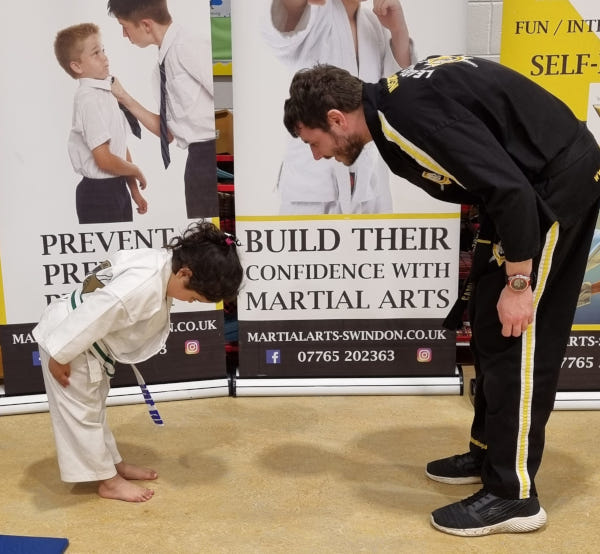 Martial arts training is based on the core principles of respect and discipline, which are instilled in participants from the beginning.
Children are taught the importance of these values through various practices within Total Martial Arts, starting with the fundamental act of bowing when they enter and to their instructors and peers.
This gesture of respect is more than just a formality; it instils young learners with a deep appreciation for the dignity of others, laying the foundation for successful social interactions.
The structured regimen of martial arts, with its emphasis on following instructions, adhering to class protocols, and striving for personal improvement, also fosters a strong sense of discipline. This discipline extends beyond the physical aspects of martial arts, influencing children’s behaviour in everyday life.
It encourages them to approach tasks, challenges, and interactions with others with a level of seriousness and commitment that is beneficial in all areas of social development.
Through the disciplined environment of martial arts training, children learn the importance of patience, perseverance, and self-control, qualities that are essential for nurturing positive and respectful relationships with those around them.
Teamwork and Camaraderie
In the unique environment of our academy, children are encouraged to collaborate closely, often pairing up or forming groups for various activities and drills.
This emphasis on collective effort not only enhances their technical prowess in martial arts but also serves as a fertile ground for nurturing essential social skills. As they engage in these partnered exercises, children naturally learn the value of mutual support, discovering how their individual actions can contribute to or detract from the group’s overall success.
This sense of belonging and mutual reliance fosters a vibrant atmosphere of camaraderie, where every child feels valued and integral to the team’s achievements. Furthermore, navigating the dynamics of teamwork in this setting equips them with vital interpersonal skills.
They become adept at communicating effectively, offering constructive feedback, and resolving minor disputes amicably—all within the supportive framework of the class.
This environment, rich in diversity and cooperation, mirrors the complexity of real-world social interactions, preparing children to handle a variety of social situations with confidence and grace. Through these shared experiences, we become more than just a place for physical training; it transforms into a social crucible where lasting friendships are forged, character is built, and social competencies are developed, all under the watchful guidance of dedicated instructors.
Boosting Confidence Through Achievements
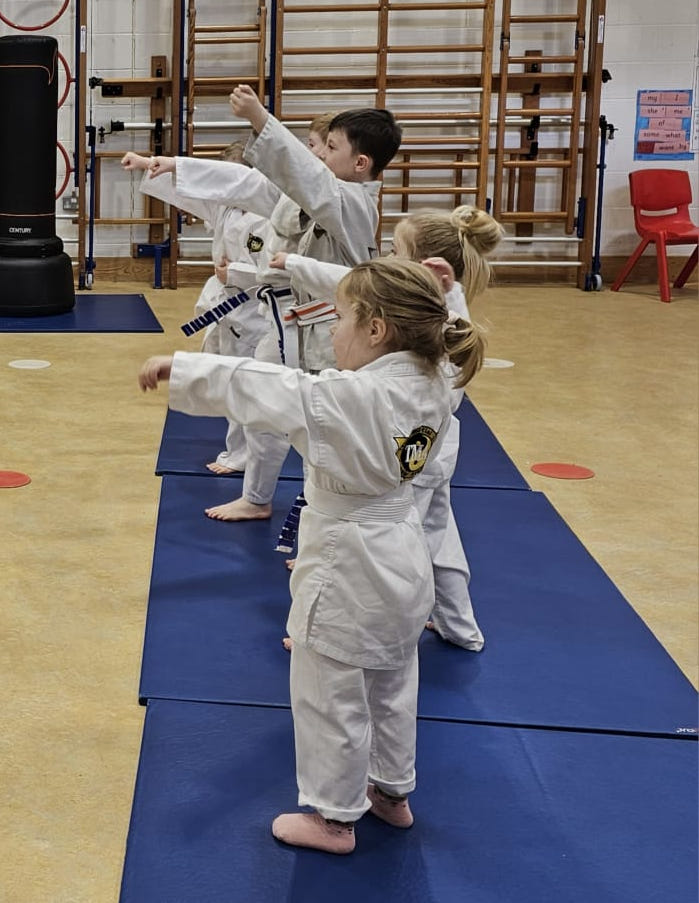 Achieving milestones within martial arts, such as mastering new techniques or earning higher belt rankings, plays a pivotal role in bolstering a child’s self-belief.
This journey of accomplishment not only evidences their growing prowess but also solidifies their self-esteem. With each new achievement, children experience a boost in their self-confidence, which permeates various facets of their social lives.
This enhanced confidence equips them to approach social interactions with more assurance and positivity. The pride derived from these accomplishments encourages them to set higher goals, not just in martial arts but in other social and academic endeavours as well.
Importantly, this increased self-assurance helps children to stand their ground in challenging situations, engage more openly with their peers, and express themselves with greater clarity and confidence.
As they progress and navigate the ups and downs of martial arts training, they learn the valuable lesson that persistence and resilience can lead to rewarding outcomes. This understanding, coupled with the confidence gained from their achievements, prepares them to face social challenges with a balanced and optimistic outlook.
Thus, the cycle of setting goals, working diligently towards them, and celebrating the victories, however small, lays a robust foundation for a confident and socially adept individual.
Developing Communication Skills on and off the Mat
Martial arts classes serve as an excellent platform for honing communication abilities among children.
Within this structured environment, young learners are encouraged to engage in dialogue, articulating their thoughts and questions clearly to instructors and fellow students. This aspect of their training is crucial, as it not only aids in their martial arts progress but significantly enhances their capability to interact effectively in varied social settings.
The emphasis on clear, respectful communication fosters an atmosphere where feedback is given and received positively, encouraging growth and mutual respect. Moreover, children learn the importance of non-verbal cues through observing body language and responding appropriately during training sessions.
These interactions help refine their listening skills and their ability to read social cues, further enriching their interpersonal skills. Additionally, working towards common objectives in class teaches children the value of expressing ideas collaboratively, laying a strong foundation for teamwork and leadership skills in their future endeavours.
Through consistent practice and guided interaction, martial arts equip children with a comprehensive set of communication tools, empowering them to navigate the complexities of social exchanges with confidence and empathy.
Handling Conflict with Patience and Empathy
In the disciplined environment of martial arts, children are provided with unique opportunities to learn about conflict resolution in a healthy and constructive manner.
Through engaging in partner drills, they encounter situations that require them to navigate disagreements and differences of opinion. Such activities teach them the importance of patience, as they must wait for the right moment to act, and empathy, as they come to understand and respect their partner’s or opponent’s perspective.
These controlled scenarios allow children to experience firsthand the dynamics of conflict and the value of finding peaceful solutions. They learn that conflicts can be resolved without aggression, a lesson that translates into their interactions outside of class.
The emphasis on respect and understanding in martial arts training fosters an environment where children are encouraged to consider the feelings and viewpoints of others before reacting. This approach to handling disagreements equips them with the emotional intelligence necessary for dealing with challenging situations in their daily lives.
As they grow and mature, the skills acquired through martial arts in addressing conflict with calmness and empathy become invaluable assets in fostering healthy, respectful relationships with their peers.
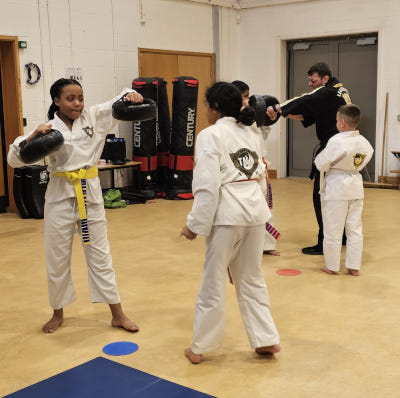 A Community of Diverse Friendships
Martial arts training sessions are a melting pot of cultures and backgrounds, providing an exceptional environment for fostering a spectrum of friendships.
Within our academy, for example, children encounter peers from all walks of life, each bringing their unique perspectives and experiences to the mat. This diversity enriches the training experience, enabling young practitioners to appreciate different viewpoints and cultures from an early age.
As they tackle challenges and celebrate achievements together, they cultivate deep bonds rooted in mutual respect and shared goals. These connections often transcend the physical confines of the training space, leading to friendships that are both enriching and enduring.
So, as you can see, martial arts can really help boost children’s social skills
Through regular interaction and collaboration, children learn the value of empathy, understanding, and inclusivity, boosting their social skills in a context that is both diverse and supportive.
Total Martial Arts isn’t just a place for learning martial arts but a vibrant community where lasting friendships are formed, enhancing the social fabric of each child’s life.
We’ve been a centre of excellence for over a decade.
We deliver our program to hundreds of children, including skills that cover ‘stranger danger’ and anti-bullying, confidence and respect building, and fitness and flexibility.
We help children to develop, achieve goals and reach their maximum potential.
Get in touch to book your kids trial today: 07765 202363
You can read our other posts related to childrens martial arts on our blog.
The Hidden Benefits: How Martial Arts Improves Mental Health in Children
In today’s blog post we explore how martial arts improves mental health in children.
Now, more than ever, children are facing increasing levels of stress and anxiety.
As we search for ways to help children navigate these challenges, the benefits of martial arts in improving mental health have become more apparent.
From building confidence and self-esteem to fostering discipline and focus, martial arts offer a holistic approach to mental well-being for children.
In this blog post, we will explore the hidden benefits of how martial arts improves mental health in children.
Building Confidence and Self-Esteem Through Mastery
Martial arts serve as a powerful avenue for bolstering confidence and nurturing self-esteem in children, primarily through the lens of mastery.
The journey within martial arts is marked by clear milestones – the attainment of new belts or levels – each representing a step forward in a child’s personal development. This structured progression allows children to witness their own growth and capabilities first-hand, instilling in them a real sense of accomplishment.
Such achievements are not merely badges of honour but are reflective of the dedication, effort, and resilience poured into their training.
Engaging in this process of setting, pursuing, and achieving goals, children internalise a mindset of perseverance and self-belief.
This belief in their own potential and the tangible evidence of their progress work in tandem to elevate their self-esteem.
Beyond the martial arts school, these newfound levels of confidence empower children to face life’s myriad of challenges with a real sense of self-assuredness, positively influencing their mental health.
 Fostering Discipline and Focus Amidst Distractions
In an era where digital distractions are found everywhere, maintaining concentration and discipline has emerged as a formidable challenge for children.
Martial arts offer a sanctuary where these essential life skills are nurtured. The rigorous training and the ethos of martial arts instil a sense of order and self-control, crucial for personal development.
As children engage in this disciplined practice, they learn the value of commitment and the importance of focusing their attention on the task at hand. This structured environment not only enhances their capacity to concentrate but also teaches them how to apply these principles to other aspects of their lives.
The skills of discipline and focus acquired through martial arts training become invaluable tools, enabling children to navigate through their academic and personal endeavours with greater ease and success.
By learning to master their minds and bodies, children equip themselves with the resilience to withstand the distractions of the modern world, fostering a healthier mental state.
The Role of Martial Arts in Stress Reduction and Anxiety Management
Martial arts provide a multifaceted approach to managing stress and anxiety in children, acting as both a physical outlet and a mental discipline.
The rigorous physical exertion in martial arts training allows for the release of endorphins, the body’s natural mood lifters, which play a crucial role in stress alleviation. Moreover, the discipline required to master the various techniques promotes a state of mental focus and clarity, providing a break from the incessant worries that can occupy young minds.
This dual benefit helps children to not only expel physical tension but also to attain a calmer and more composed state of mind. Through regular practice, they develop the ability to centre themselves, a skill that proves invaluable in managing anxiety levels and navigating the pressures of daily life with greater serenity.
The practice of martial arts, therefore, stands as a valuable tool in the enhancement of emotional and psychological resilience among children, offering a pathway to a more balanced and stress-free life.
Social Skill: The Community Aspect of Martial Arts
Martial arts classes offer far more than just physical training.
They are in fact a breeding ground for developing essential social skills and fostering a sense of camaraderie amongst participants. It’s a place where children learn to interact positively with one another, engaging in practices that emphasise respect, patience, and encouragement.
Through regular interaction with peers and instructors within this structured environment, children are presented with opportunities to develop their communication and interpersonal skills. These experiences are instrumental in teaching young learners how to work effectively in teams, resolve conflicts amicably, and support their peers in achieving mutual goals.
These skills are crucial in bolstering a child’s emotional intelligence and empathy, qualities that are invaluable in navigating the complexities of social interactions both within and outside the martial arts school.
Additionally, the inclusive atmosphere of martial arts classes ensures that every child, regardless of their background or abilities, is given the chance to feel part of a community. This inclusivity not only enriches their social experiences but also aids in diminishing any feelings of isolation they might experience elsewhere.
Engaging in martial arts opens doors to lasting friendships and meaningful mentorships, laying a foundation for healthier social development and mental well-being.
The Empowerment of Self-Defence Skills
The acquisition of self-defence skills through martial arts is more than just a physical safeguard; it instils a deep-seated sense of empowerment in children.
By mastering techniques designed to protect themselves, they gain an invaluable layer of self-assurance and newfound confidence.
The psychological benefit of knowing they possess the ability to stand their ground in threatening situations cannot be overstated.
It contributes significantly to a reduction in feelings of helplessness or fear, which are common triggers for anxiety among young individuals. Furthermore, the disciplined environment in which these skills are learnt reinforces the importance of responsibility, judgement, and restraint.
Children learn not only the mechanics of self-defence but also the ethical considerations surrounding their use, promoting a balanced understanding of power and its consequences.
This holistic approach to self-defence training ensures that children are equipped not just with the means to protect themselves but also with the wisdom to use these skills with good sense.
As a result, the mental well-being of children is greatly enhanced by the assurance of their ability to defend themselves and the ethical maturity to navigate complex social situations.
So, based on all of this, it’s easy to see how martial arts improves mental health in children.
Total Martial Arts Premier Academy has been a centre of excellence for over a decade.
We deliver our program to hundreds of children, including skills that cover ‘stranger danger’ and anti-bullying, confidence and respect building, and fitness and flexibility.
We help children to develop, achieve goals and reach their maximum potential.
Get in touch to book your kids trial today: 07765 202363
This month we’ve been focusing our blog posts on our younger members – see them here:
Why the Importance of Exercise for Children Can’t Be Ignored
The Overlooked Importance of a Good Diet for Children
The Overlooked Importance of a Good Diet for Children
In today’s fast-paced world, where convenience often trumps nutrition, the importance of a good diet for children cannot be overstated.
A well-balanced diet plays a crucial role in the growth and development of children, impacting not only their physical health but also their cognitive function and academic performance. Despite this, the significance of good nutrition for children is often overlooked, leading to a rise in childhood obesity and other health issues.
In this blog post, we will explore the various aspects of why a good diet is essential for children’s overall well-being and how we can overcome the challenges to ensuring they eat healthily.
The Building Blocks of Growth and Development
For young ones to flourish both physically and mentally, a nutritious diet is indispensable. It supplies the vital components necessary for their bodies and minds to function optimally. Proteins, carbohydrates, fats, along with an array of vitamins and minerals, are the cornerstone of a child’s development.
These nutrients support the intricate processes that drive growth, facilitate cognitive advancements, and bolster the immune system. Insufficient dietary intake can lead to a myriad of health complications, ranging from impaired physical growth to developmental delays.
Ensuring children receive a balanced mix of these essential nutrients is pivotal in aiding them to achieve their developmental milestones and fostering an environment for robust health.
The Role of Diet in Preventing Childhood Obesity
Childhood obesity has become a concerning public health issue, with dietary habits playing a significant role in its escalation.
The modern diet, laden with refined sugars, excess calories, and unhealthy fats, directly contributes to this growing predicament. To counteract this, it’s imperative to advocate for a diet that is abundant in fruits, vegetables, whole grains, and lean proteins. Such a diet not only aids in maintaining a healthy weight but also provides the necessary nutrients for a child’s growth and development.
Integrating these healthier options from a young age can prevent the onset of obesity and its associated health risks, including type 2 diabetes, cardiovascular diseases, and various others. It’s about creating a balanced and nutritious dietary pattern that supports a child’s health and well-being, steering them away from the potential long-term consequences of obesity.
By prioritising healthy dietary choices, we contribute to a foundation that supports lifelong health and wellness for our children, underscoring the critical role of diet in preventing childhood obesity.
Impact of Nutrition on Cognitive Function and Academic Performance
The profound influence of nutrition on a child’s cognitive abilities and their performance in an academic setting cannot be underestimated.
Research has consistently shown that diets rich in essential nutrients such as omega-3 fatty acids, antioxidants, and vitamins are fundamental in enhancing brain health. These nutrients contribute significantly to improving cognitive functions, including memory, attention span, and problem-solving skills.
Conversely, diets that are high in processed foods and sugars are linked to negative impacts on cognitive abilities, which can hinder a child’s ability to concentrate, retain information, and learn effectively.
By ensuring access to nutrient-dense meals and snacks, we equip children with the fuel necessary for their brains to function at their best. This not only assists them in achieving their academic goals but also sets a solid foundation for lifelong learning and cognitive health. Encouraging a diet that supports cognitive development is therefore a critical component of nurturing well-rounded, academically successful individuals.
Through the provision of meals that are not only nutritious but also enjoyable, we can pave the way for enhanced learning experiences and greater academic achievements amongst our young learners.
 Fostering Healthy Eating Habits for Life
Instilling sound dietary habits during childhood lays the groundwork for a healthy lifestyle in the years ahead.
Introducing a variety of wholesome foods to children and involving them in the culinary process can spark a lifelong appreciation for nutritious eating. It’s vital to create an encouraging food environment at home, one that is devoid of undue pressure and restrictive measures, thus promoting autonomous, healthy choices among the young ones.
Demonstrating positive eating behaviours ourselves can significantly influence our children’s attitudes towards food, guiding them towards nurturing their bodies thoughtfully. Encouraging children to partake in food selection and meal preparation not only educates them about nutrition but also makes them more likely to enjoy a broad spectrum of foods.
Cultivating an atmosphere where food is not only about sustenance but also about enjoyment and discovery can significantly impact a child’s willingness to try new, healthy foods. By embedding these principles early on, we contribute to the development of enduring, healthful eating habits, ensuring our children are equipped to make informed nutritional choices throughout their lives.
Engaging children in discussions about food, its origins, and benefits can further enrich their understanding and respect for nutrition, reinforcing the importance of making wholesome dietary choices.
Overcoming Challenges to Healthy Eating in Children
Navigating the hurdles to ensure children maintain a nutritious diet can indeed pose a complex challenge for many parents and guardians.
With time constraints due to hectic lifestyles, dealing with selective eating habits, and the sometimes prohibitive cost or scarcity of healthy, fresh produce, fostering an environment of good nutrition might seem daunting.
Yet, there are practical steps that can be taken to mitigate these issues. Planning meals in advance can alleviate the time pressure and ensure that meals are balanced and rich in essential nutrients. Involving children in the kitchen not only makes them more inclined to try new foods but also educates them on the importance of nutritious ingredients and how meals are prepared.
For those facing accessibility issues to fresh produce, exploring local markets or subscribing to vegetable box schemes can be a cost-effective way to secure seasonal fruits and vegetables.
Additionally, leveraging frozen or tinned options, which can retain much of the nutritional value of fresh produce, offers a viable alternative. Understanding and adapting to the unique preferences of each child, without resorting to force-feeding or overly restrictive practices, can encourage a more positive and open attitude towards healthy eating.
By adopting these strategies, we can surmount the barriers to healthy eating and instil a culture of nutritional well-being among our children, paving the way for healthier lifestyle choices as they grow.
Total Martial Arts Premier Academy has been a centre of excellence for over a decade.
We deliver our program to hundreds of children, including skills that cover ‘stranger danger’ and anti-bullying, confidence and respect building, and fitness and flexibility.
We help children to develop, achieve goals and reach their maximum potential.
Get in touch to book your kids trial today: 07765 202363
If you’ve liked this blog on ‘The Overlooked Importance of Good Diet for Children’, take a look at some of our other blog posts here.
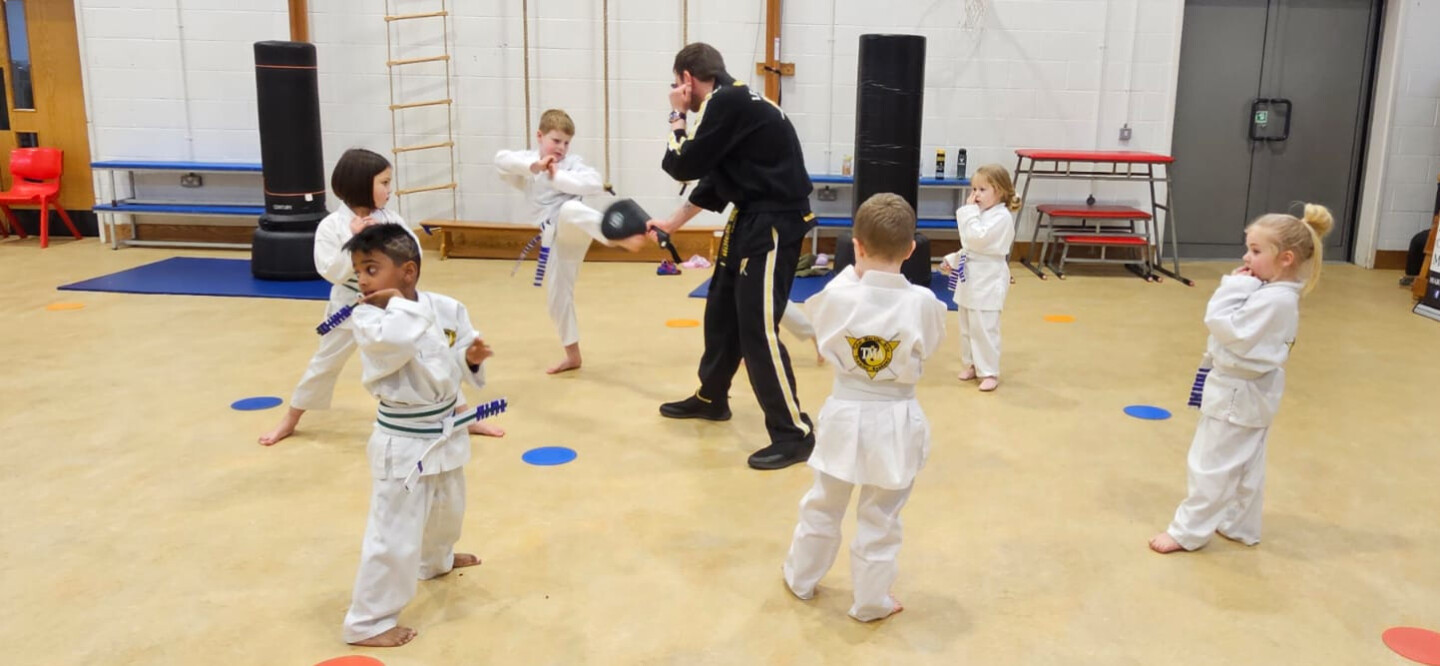
Why the Importance of Exercise for Children Can't Be Ignored
The importance of exercise for children cannot be overstated.
In today’s digital age, where screens dominate our daily lives, it is more crucial than ever to encourage our young ones to stay active. Physical activity not only contributes to their overall health and well-being but also plays a significant role in their development.
In this blog post, we will explore why the importance of exercise for children should not be ignored, and how it can positively impact various aspects of their lives.
 The Foundation of Physical Health
Engaging in regular physical activity is vital for young individuals to lay down a robust foundation for their physical well-being.
This habit plays an instrumental role in fostering the development of sturdy muscles, resilient bones, and flexible joints, significantly mitigating the risk of obesity and its consequent health complications in later life.
Participating in dynamic activities such as athletics, gymnastics, and various sports enhances not only their cardiovascular health but also augments their coordination and equilibrium. Instilling the value of an active lifestyle from an early age ensures that children evolve into adults who are healthier and possess a greater capability to withstand physical challenges.
Moreover, introducing structured activities like martial arts can be particularly beneficial, providing a disciplined yet enjoyable way for children to engage in regular exercise.
Such activities encourage persistence, attention to detail, and a sense of achievement, further enriching the physical health benefits with character-building elements. Thus, integrating physical exercise into the daily regimen of children paves the way for a robust and vigorous adulthood, laying a concrete foundation for a lifetime of health and strength.
Boosting Mental Well-being Through Exercise
Exercise is an essential component not only for maintaining physical health but also for enhancing mental well-being among children.
When children engage in regular physical activities, their bodies release endorphins, which are crucial in battling stress, diminishing feelings of anxiety, and counteracting symptoms of depression. These so-called ‘feel-good hormones’ contribute to a heightened sense of well-being, enabling children to navigate the emotional challenges that may come their way with greater ease.
Partaking in physical activities is also a powerful tool for bolstering self-esteem and confidence in young individuals. Achievements in sports or improvement in physical capabilities can instil a profound sense of accomplishment, further promoting a positive self-image.
Additionally, the structure and routine that come with regular exercise can significantly enhance children’s sleep patterns, ensuring they are well-rested and their mood is stabilised.
The social aspects of engaging in sports or group activities, such as martial arts, offer an added benefit to mental well-being. Through these activities, children can find a sense of belonging and community, reducing feelings of isolation and promoting social connectivity. This, in turn, aids in building a supportive network that is invaluable in fostering emotional resilience.
Therefore, incorporating physical activity into the lives of children is not just about keeping them physically active; it’s also about nurturing their mental and emotional health.
By encouraging a balanced lifestyle that includes regular exercise, we are equipping our young ones with the tools they need to build a strong, healthy mind, ready to face the challenges and opportunities that lie ahead.
 Enhancing Academic Performance and Concentration
The link between physical activity and improved academic prowess in children is well-documented.
Engaging in regular exercise facilitates an increase in blood circulation to the brain, thereby optimising cognitive abilities and enhancing memory capabilities. This elevation in brain function directly correlates with a child’s ability to absorb, retain, and apply information learnt in the classroom.
Moreover, children who partake in consistent physical activities demonstrate superior concentration levels and are able to maintain focus for extended periods. This heightened attention span is crucial for academic success, allowing young learners to grasp complex concepts more readily and perform with greater efficiency during examinations and classroom activities.
Physical activity, whether through participation in team sports, individual sports, or activities such as martial arts, serves as an excellent outlet for energy. This is particularly beneficial for children who might otherwise find it challenging to sit still and concentrate on their studies.
By channelling their energy into physical outlets, children return to their academic pursuits refreshed and ready to tackle their studies with renewed vigour.
The development of this routine – alternating between periods of physical exertion and academic focus – lays the groundwork for healthy study habits. It teaches children the value of balancing various aspects of their lives, a skill that will serve them well throughout their educational journey and beyond into adulthood.
Thus, fostering a culture of regular physical exercise among young learners is not merely about ensuring their immediate physical health; it’s about setting the stage for a lifetime of learning and academic achievement.
Social Skills and Teamwork through Sports
Participating in sport and group activities is a fertile ground for the development of invaluable social skills in children. Through the dynamic interactions that team sports and martial arts facilitate, young ones are immersed in an environment that demands communication, collaboration, and mutual understanding.
These settings teach children how to articulate their thoughts and listen to others, fostering an atmosphere of respect and empathy. The essence of teamwork becomes deeply ingrained in them as they learn the importance of working together towards a common goal, experiencing firsthand how collective effort often leads to greater achievements than solitary endeavours.
Moreover, involvement in sport introduces children to the concept of healthy competition. They learn to strive for excellence while also appreciating the efforts of their peers, understanding that winning and losing are both part of the game.
This aspect of sportsmanship teaches them to handle success with grace and setbacks with resilience, preparing them for the inevitable ups and downs of life. Additionally, the disciplined structure of activities such as martial arts, imparts values of dedication and focus, reinforcing the link between consistent effort and success.
The social environment of team sports and martial arts classes also offers rich opportunities for children to form meaningful connections, paving the way for friendships rooted in shared interests and experiences.
Through regular interaction, they learn the significance of reliability, support, and encouragement within a team setting, skills that are not only pivotal on the field but in every aspect of social life. Engaging in these activities is thus a comprehensive avenue for nurturing socially adept individuals equipped with the tools for effective teamwork and interpersonal relationships.
Establishing Lifelong Healthy Habits
Introducing children to the joy of physical activity from a tender age fosters the creation of enduring, healthful routines. When young ones discover the pleasure and excitement in movement, be it through sports, martial arts, or simple outdoor games, they are more inclined to carry these positive attitudes towards exercise into adulthood.
This early association between fun and physical exertion is a crucial step in counteracting the sedentary lifestyle trends that are increasingly prevalent in today’s society. Furthermore, by normalising daily physical activities, children learn to view exercise not as a chore but as an integral part of a balanced life.
Incorporating diverse forms of exercise can help to keep their interest alive. For example, martial arts, offers a unique blend of physical fitness, discipline, and fun, making it an appealing option for children with varied interests.
Such activities not only contribute to physical health but also to the development of personal discipline and self-confidence, attributes that are beneficial throughout life.
Additionally, active family outings and participation in communal sports events can reinforce the concept that being active is a shared value and a way of life, rather than an isolated task to be ticked off.
Through these experiences, children observe firsthand the lifelong benefits of staying active, including improved health, enhanced social connections, and increased happiness. Thus, the seeds of lifelong healthy habits are sown, promising a future where physical activity is both a joy and a priority.
Practical Tips for Incorporating Exercise into Daily Routines
Incorporating exercise into the daily routines of children is simpler than it may seem and vital for fostering a balanced and healthy lifestyle.
Initiatives as straightforward as family bike rides, weekend hikes, or even a brisk walk to school can significantly contribute to their daily physical activity. Encouraging participation in activities they show a keen interest in, be it dance, swimming, or martial arts, not only keeps them active but also engaged and passionate about exercise.
Consider setting limits on screen time to promote more outdoor and physically engaging play. Enrolling children in local sports clubs or martial arts classes, provides a structured yet enjoyable environment for them to develop their physical skills, discipline, and social interactions.
Remember, variety in these activities can help maintain their interest and enthusiasm for staying active. By seamlessly integrating these forms of exercise into children’s lives, we support them in building a foundation of physical activity that can enrich their well-being now and into the future.
Total Martial Arts Premier Academy has been a centre of excellence for over a decade.
We deliver our program to hundreds of children, including skills that cover ‘stranger danger’ and anti-bullying, confidence and respect building, and fitness and flexibility.
We help children to develop, achieve goals and reach their maximum potential.
Get in touch to book your kids trial today: 07765 202363
See our other blog posts here