
Discovering Kali: The Art of Filipino Martial Arts for Adults at Total Martial Arts Premier Academy
Are you an adult seeking a dynamic, engaging, and practical martial art? Look no further than Kali, also known as Filipino Martial Arts (FMA). At Total Martial Arts Premier Academy, we invite you to explore the rich history and essential skills of this fascinating art form. With a robust emphasis on practicality, improvisation, and personal development, Kali offers adult practitioners an exciting way to enhance their physical fitness while learning effective self-defence techniques.
In this blog post, we’ll delve into the roots of Kali, its evolution over the centuries, and the key skills you’ll acquire as you embark on your journey in this incredible martial art.
 A Brief History of Kali / Filipino Martial Arts
Kali, indigenous to the Philippines, is a martial art that dates back centuries. Its evolution is deeply intertwined with the archipelago’s tumultuous history of conquest and colonisation. Initially developed by various Filipino tribes as a means to defend against foreign invaders, Kali took shape through the practical needs of combat; an art driven by necessity.
The Evolution of Kali
Kali’s origins remain somewhat shrouded in mystery, but it is believed to have emerged from a blend of native Filipino combat styles and influences from Chinese martial arts, Spanish swordsmanship, and even Japanese kenjutsu. The term “Kali” likely comes from the native word “kalis,” which means “sword” or “blade,” although different regions call it by various names such as Arnis and Eskrima.
The distinctiveness of Kali lies in its adaptability. Over generations, it has evolved to include a diverse array of techniques incorporating weaponry and empty-hand combat. Its practical application made it an invaluable tool for personal defense—an aspect that persists to this day.
When the Philippines was under Spanish rule in the late 16th century, practitioners had to conceal their training; they often masked their combat training in dances and rituals, which eventually became integrated into the art. As colonial influence waned, Kali experienced a renaissance, becoming recognised and celebrated both locally and internationally.
Why Choose Kali for Your Martial Arts Journey?
At Total Martial Arts Premier Academy, we recognise that as an adult, embarking on a new martial arts journey may feel daunting. However, Kali offers numerous benefits that can enhance your life physically, mentally, and socially.
Self-Defence
One of the most compelling reasons to study Kali is its focus on practical self-defence skills. The techniques are rooted in real-world applications, teaching students how to respond effectively in a variety of situations. As you learn Kali, you’ll develop not just the ability to defend yourself, but also the confidence to approach any potential conflict with a clear mind and prepared spirit.
Physical Fitness
Kali is a full-body workout that builds strength, endurance, flexibility, and coordination. Practicing the fluid movements required in Kali helps improve cardiovascular health, agility, and overall fitness. This engaging form of exercise will keep you engaged and motivated to push your limits and achieve your personal fitness goals.
Mental Well-Being
Martial arts, including Kali, significantly contribute to improved mental health. The focus required to master various techniques promotes mindfulness and sharpens concentration. As you immerse yourself in training, you will discover stress relief, enhanced mood, and an increased sense of well-being.
Community and Camaraderie
Joining our Kali class at Total Martial Arts Premier Academy means becoming part of a vibrant community. Training alongside like-minded individuals creates lasting friendships, fostering a supportive environment that encourages growth, learning, and fun. Our adult students often find new connections and friendships that extend beyond training, enriching their lives in unexpected ways.
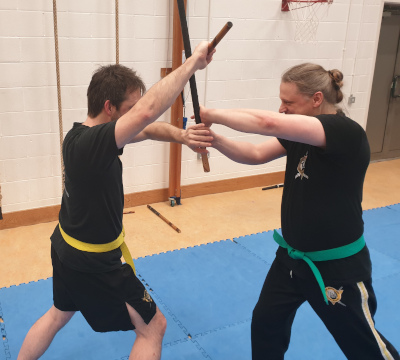 Key Skills Taught in Kali / Filipino Martial Arts
As you begin your journey in Kali, you will learn a variety of skills that are not only practical for self-defence but also enjoyable to practice. Here are some of the key components of Kali training:
-
Weapon Training
Kali is renowned for its focus on armed combat, primarily using bladed weapons like knives and sticks. You’ll learn how to handle various tools, understand the principles of distance, leverage, and timing, and develop reflexes that enhance your striking efficiency.
Silat and Long-Range Combat: Kali teaches the use of long-range weapons such as the “baston” (stick) and knife in conjunction with empty-hand skills. This combination provides you with the tools necessary to transition smoothly between armed and unarmed techniques.
-
Empty-Hand Techniques
While Kali is often associated with weapons, the art also emphasises effective empty-hand techniques. Practitioners learn how to use punches, kicks, elbows, and knees in striking, along with joint locks and pressure points. Mastering these techniques is essential for overall self-defence, particularly when you face an opponent who may not be armed.
-
Footwork and Movement
One of the foundational elements of Kali is effective footwork. Proper movement is critical in all aspects of martial arts, enabling you to evade strikes and position yourself favourably during combat. Kali teaches students to move fluidly, maintaining balance and readiness while integrating complex footwork patterns through drills and sparring exercises.
-
Drills and Sparring
Kali training involves a variety of drills that build muscle memory and hone reflexes. Paired practice, known as “sinawali,” focuses on working with a partner to develop timing and understanding of angles and distance. Sparring sessions, both with and without weapons, allow you to put your skills into practice in real-time interactions.
-
Defensive Techniques
Defensive strategies are integral to Kali. Students learn how to block and counter-attack, developing quick reflexes to respond dynamically in various scenarios. The art encourages adaptability, allowing practitioners to tailor their defence systems to match different contexts.
 Joining Total Martial Arts Premier Academy
At Total Martial Arts Premier Academy, we are committed to creating a welcoming environment where every adult can explore the world of Kali. Our experienced instructors are dedicated to helping you grasp the fundamental principles of this unique martial art while prioritising safety and respect in training.
What to Expect in Class
- Structured Lessons: We provide a well-rounded curriculum that caters to all skill levels. Each class builds upon previous lessons, ensuring a thorough understanding of all techniques.
- Community Atmosphere: Our students are supportive, creating a fun and exhilarating atmosphere for learning. Expect camaraderie and encouragement as you embark on your martial arts journey.
- Personalised Training: Our instructors adapt classes to suit your personal goals and abilities, ensuring you receive the attention you need to grow and progress.
- Access to Resources: Students at Total Martial Arts Premier Academy benefit from excellent training and learning materials to enhance their experience.
Your Next Steps
If you’re ready to embark on an exciting journey filled with physical challenge, personal growth, and community, consider incorporating Kali into your fitness routine. Get in touch to learn more about our classes, schedules, and how to get started.
Experience the thrill of Kali and discover how this dynamic art can positively impact your life. Join us today and let the adventure begin! Embrace the practice, embrace the fun, and unleash your potential with Kali at Total Martial Arts Premier Academy.

The Fun Side of Martial Arts
Martial arts often conjure images of intense training sessions, disciplined practices, and fierce competition. While these aspects are undeniably important, it’s time to shine a light on the incredibly fun side of martial arts, especially as we welcome both children and adults to the vibrant community at Total Martial Arts Premier Academy!
Let’s explore how martial arts can be an exhilarating journey filled with smiles, laughter, and camaraderie. Whether you are a curious parent looking for the perfect activity for your child, or an adult seeking a fresh and enjoyable way to stay active, martial arts is chock-full of fun opportunities for all ages.
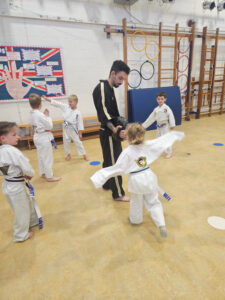 For our Junior Students
The Joy of Learning through Play
For children, martial arts classes present a unique opportunity to learn while having a blast. Unlike traditional sports, where competition can sometimes overshadow the fun, martial arts encourages kids to work together, support one another, and celebrate individual progress. From exciting games that hone coordination and balance to fun drills that mimic superhero moves, each class at Total Martial Arts Premier Academy transforms learning into an adventure.
Imagine a session filled with laughter as children kick their legs in a friendly sparring match or enthusiastically shout “hi-yah!” in an energetic combo drill. These playful interactions not only build practical skills but also foster friendships that can last a lifetime.
Building Confidence through Fun Challenges
Martial arts naturally cultivates confidence as children learn new techniques, earn belts, and overcome challenges. The absence of high-stakes pressure found in many sports allows young practitioners to enjoy the thrill of achieving their first kick or mastering a new form. Each achievement—be it small or significant—is met with cheers from instructors and fellow students, reinforcing a positive atmosphere.
Games like “Shark and Minnow,” where kids must navigate a dojo while avoiding “sharks” (instructors or older kids), not only provide a fun way to practice agility but also create moments of hilarity and excitement. These fun challenges make martial arts appealing to even the most reluctant children, inviting them to join in the experience and keep them coming back for more.
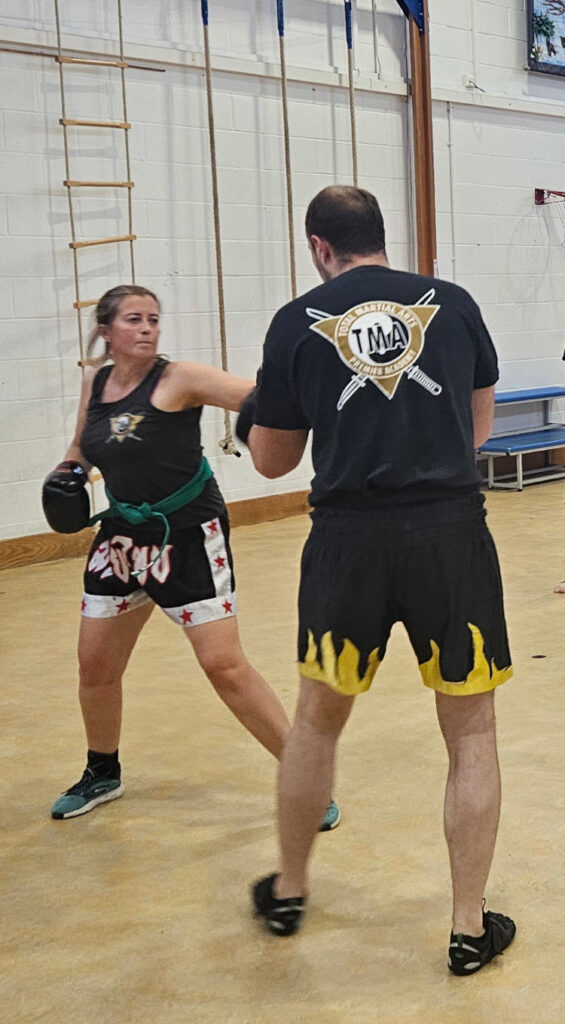 Fun for Adults:
A Break from the Mundane
Let’s face it: Adults often find themselves trapped in the daily grind, balancing work, home responsibilities, and social obligations. In this chaotic routine, committing to an enjoyable fitness activity can feel like a luxury. However, enrolling in martial arts at Total Martial Arts Premier Academy allows you to break free from the mundane and unleash your inner warrior!
Imagine stepping into the dojo, leaving behind the stresses of the day, and immersing yourself in the rhythmic motions of martial arts. The energy in the room is infectious, and soon you’re laughing with classmates, engaging in light-hearted sparring, and absorbing the simple joy of movement.
Socialising while Sweating
Martial arts classes foster a strong sense of community, making it not just a workout but a social experience. Whether you’re paired with a fellow novice, engaging in friendly banter during breaks, or enjoying a post-class drink with new friends, martial arts creates bonds.
Being part of a team—a group that celebrates each other’s victories and supports each other through defeats—adds an enriching dimension to your journey. Plus, the camaraderie often spills over into social events, tournaments, and extra training sessions, providing opportunities to meet like-minded individuals and enjoy collective experiences.
Embracing Creativity and Self-Expression
The Art in Martial Arts
Beyond the sweat and sparring lies an art form filled with techniques that can be tailored to each individual’s style and flair. Practicing martial arts provides adults with a canvas to express themselves. Drawing inspiration from various martial arts disciplines—from the flowing movements of Tai Chi to the explosive energy of kickboxing—students can find a style that resonates with their personality.
Enjoy experimenting with unique combinations in your training? Martial arts is the perfect avenue! As you hone your techniques and embellish them with your creative flair, you’re not simply learning to defend yourself; you’re composing your own martial arts “masterpiece.”
Dance-like Movements
What’s more fun than embracing the rhythm of your movements? Many martial arts incorporate techniques that remind practitioners of dance. This connection enhances the enjoyment factor, as students move gracefully through forms and demonstrations, feeling both like a fighter and a dancer in the spotlight.
At Total Martial Arts Premier Academy, classes often incorporate music or thematic elements that elevate the training experience, transforming a standard workout into a vibrant adventure. This unique blend of culture and creativity ensures you’re not just fighting for fitness; you’re engaging in an expressive art form.
Family Fun: Martial Arts for Everyone
A Shared Experience
One of the most delightful aspects of martial arts is that it’s an activity the entire family can enjoy together! Imagine the family bonding that takes place as you and your children learn side by side, sharing milestones and cheering each other on. At Total Martial Arts Premier Academy, we encourage family classes, allowing parents and children to build memories while picking up valuable skills.
Families can participate in friendly competitions, support each other’s training journeys, or even enjoy themed events like “Family Belt Tests,” where the whole family can showcase their progress in a fun, supportive environment.
Building Lifelong Bonds
Watching your child earn their next belt or successfully complete a challenging routine brings a sense of pride that’s hard to replicate. These experiences strengthen the family dynamic and instil values of persistence, discipline, and enthusiasm that translate beyond martial arts and into everyday life.
Conclusion: The Fun is Just Beginning!
At Total Martial Arts Premier Academy, we pride ourselves on creating an environment where fun thrives, laughter fills the air, and everyone can embark on their martial arts journey together, regardless of age or experience. By focusing on the enjoyable aspects of martial arts, we invite you to experience a transformative journey where each class brings joy, new friendships, and shared accomplishments.
When you join our academy, you’re not just signing up for martial arts classes; you’re stepping into a community filled with laughter, energy, and excitement. So, whether you’re an adult seeking a vibrant escape from routine or a parent looking for a worthwhile activity for your child, total martial arts await you.
Join us at Total Martial Arts Premier Academy, where the fun aspect of martial arts is just beginning. Together, let’s kick, punch, and laugh our way to personal growth and martial arts mastery! Get in touch for more information on classes and events happening in your area!
Let’s embark on this joyous adventure together—your journey in martial arts is waiting!
How Martial Arts Can Shape a Brighter Future for Children
Martial Arts for Children.
In today’s fast-paced world, children face numerous challenges ranging from academic pressures to social dynamics. The importance of equipping them with life skills that foster confidence, discipline, and resilience cannot be overstated.
Total Martial Arts, based in Swindon, provides a unique environment where children can learn these essential attributes through martial arts training. Here, we explore how martial arts can profoundly impact a child’s future for the better.
-
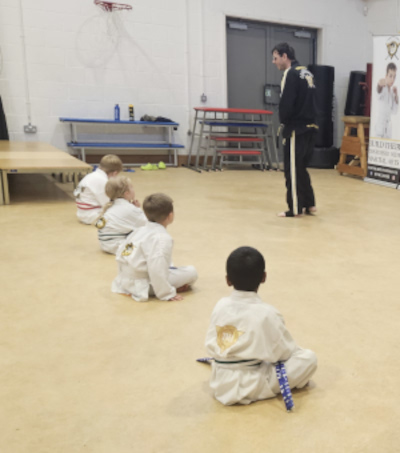 Building Confidence
The Benefits:
Confidence is a cornerstone of personal development, and martial arts training is a potent confidence-builder. As children learn new techniques, such as various forms of self-defence or combat skills, they see their competencies and abilities expand. The achievements, whether small or large, contribute to a greater sense of self-worth.
Consequences of Not Gaining This Skill:
Without the foundational skill of confidence, children may struggle with self-doubt, leading to hesitance in social interactions, academic pursuits, and extracurricular activities. This hesitance can establish a pattern of avoidance that may haunt them into adolescence and adulthood, preventing them from seizing opportunities.
-
Enhancing Discipline and Focus
The Benefits:
Martial arts is steeped in tradition, requiring students to adhere to a strict code of conduct and training protocols. Through regular sparring sessions and drills, children learn the value of discipline. They become adept at setting goals, whether in mastering a technique or advancing in belt ranks. This process fosters focus and teaches them the importance of sustained effort.
Consequences of Not Gaining This Skill:
Children who lack discipline often struggle to complete tasks or remain committed to long-term goals. This can manifest in poor academic performance, lack of perseverance in sports, and difficulty maintaining friendships. The repercussions can become ingrained habits that stifle their potential in various aspects of life.
-
Developing Physical Fitness and Coordination
The Benefits:
Martial arts training requires a high level of physical engagement, which improves overall fitness. These activities develop strength, flexibility, agility, and coordination. Regular practice encourages a healthy lifestyle and instils the importance of physical well-being from a young age, laying the groundwork for lifelong fitness habits.
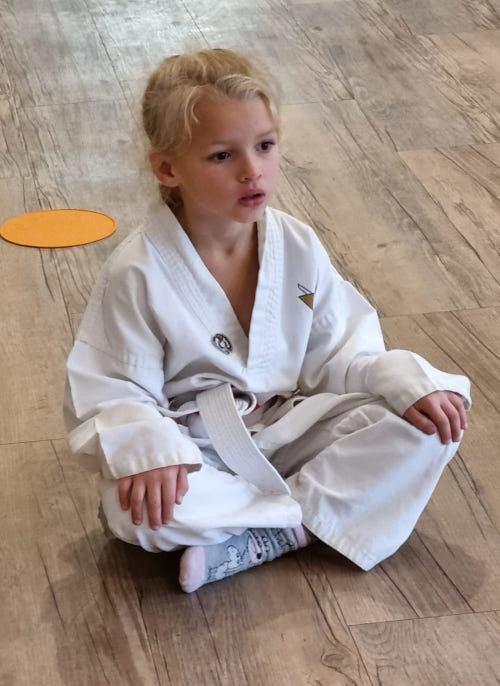 Consequences of Not Gaining This Skill:
Failing to develop physical fitness can lead to a sedentary lifestyle, which is associated with various health concerns, including obesity and related chronic conditions. A lack of physical activity lowers energy levels and increases the risk of mental health issues, such as anxiety and depression.
-
Teaching Respect and Empathy
The Benefits:
At Total Martial Arts, respect is central to all training scenarios. Children learn to respect their instructors, peers, and the art itself. As they engage with classmates in a collaborative environment, empathy is fostered as they learn at different paces and support one another in challenges.
Consequences of Not Gaining This Skill:
Without a strong sense of respect and empathy, children may struggle in relationships both at school and home. They could exhibit bullying behaviour or become victims of bullying themselves. This lack of social awareness can hinder their ability to create meaningful connections, leading to isolation and emotional distress in later life.
-
Cultivating Self-Defence Skills
The Benefits:
One of the most practical benefits of martial arts is the ability to defend oneself. Children learn various techniques to protect themselves and understand the importance of avoiding conflict whenever possible. This instils a sense of security, empowering them to navigate potentially dangerous situations effectively.
Consequences of Not Gaining This Skill:
Children untrained in self-defence may become reluctant to confront situations where they need to assert themselves. This vulnerability can lead to victimisation and an increased sense of insecurity. They may also end up feeling powerless in difficult situations, affecting their mental health and outlook on life.
-
Encouraging Problem-Solving Skills
The Benefits:
Martial arts is not just about physical prowess; it demands acute mental engagement. Children regularly face tactical challenges during sparring and drills, promoting critical thinking and problem-solving skills. They learn how to assess a situation, make quick decisions, and adapt their strategies on the fly.
Consequences of Not Gaining This Skill:
A lack of problem-solving skills can lead to indecision and avoidance when faced with life’s challenges. Children without this capability may struggle academically and socially as they become overwhelmed by simple hurdles. As they progress into adulthood, the inability to navigate challenges effectively can limit their opportunities and personal growth.
-
Fostering a Sense of Community
The Benefits:
Participation in martial arts classes promotes camaraderie and a sense of belonging. Training with peers creates friendships grounded in mutual respect and shared goals. Events, competitions, and belt ceremonies foster a supportive community that can be incredibly beneficial for a child’s development and happiness.
 Consequences of Not Gaining This Skill:
Children who feel isolated may struggle with feelings of loneliness and depression. This alienation can negatively impact their mental health and social skills, making it difficult for them to join in various community activities. This disconnection can hinder their ability to forge meaningful relationships later in life.
-
Instilling Resilience
The Benefits:
Martial arts teaches students the importance of resilience. Children learn to overcome physical and mental obstacles. They experience failures during training, which serve as valuable life lessons. This resilience equips them with the ability to bounce back from setbacks and develops a growth mindset.
Consequences of Not Gaining This Skill:
Without resilience, children may feel defeated by challenges. They might give up easily, leading to frustration and a negative self-image. In later life, this inability to recover from disappointments can significantly impact their capacity to achieve personal and professional goals.
At Total Martial Arts, we believe that the benefits of martial arts for children extends beyond physical fitness and self-defence; they encompass vital life skills that shape a child’s future. Building confidence, discipline, focus, respect, empathy, self-defence capabilities, problem-solving skills, a sense of community, and resilience can create a strong foundation for children as they navigate the complexities of life.
Failing to equip children with these skills can have lasting repercussions, affecting their academic performance, social interactions, physical health, and personal relationships. By investing in martial arts training, parents can provide their children with a valuable toolset to navigate the challenges of life more effectively.
If you’re ready to empower your child through martial arts, join us at Total Martial Arts in Swindon. Let’s work together to shape a brighter future, one punch, and one kick at a time.

The Benefits of Martial Arts for Different Children's Groups
At Total Martial Arts in Swindon, we understand that every stage of childhood development brings unique challenges and opportunities.
Martial arts offer a dynamic environment that not only nurtures physical abilities but also enhances mental and emotional growth. Here, we delve into how our programmes benefit children at different ages, tailored specifically for our communities in Swindon and Cirencester.
Preschoolers (3-5 years)
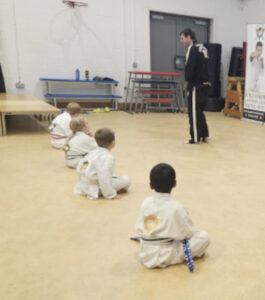 For the little ones, the journey into martial arts begins with fun and games. At Total Martial Arts, we recognize that preschoolers aged 3 to 5 years are in a crucial phase of developing their motor skills. Our classes are designed to engage their natural curiosity and short attention spans in a playful, yet structured environment.
Motor Skill Development: Our programme incorporates activities that help in refining gross motor skills. Through activities like hopping, balancing, and basic kicking, which mimic martial arts moves, children enhance their coordination and spatial awareness. Each class is a playground where learning happens through laughter and movement, which is particularly effective for this age group.
Increasing Focus: Martial arts require listening and following instructions, which naturally boosts concentration. We use short, repetitive drills to keep engagement high. Our instructors at Total Martial Arts are adept at transitioning between activities seamlessly, ensuring that the focus remains on learning while keeping the fun factor alive.
Instilling Discipline: Discipline is introduced in a gentle, positive manner. Simple commands like ‘bow to your instructor’ or ‘wait for your turn’ teach respect and patience. These practices, fundamental in martial arts, lay the groundwork for self-discipline in a way that’s understandable and enjoyable for preschoolers.
At Total Martial Arts, we adapt our sessions to ensure they are not only educational but also incredibly engaging, respecting the natural energy levels and learning pace of young children.
 Kids (6-10 years)
As children grow, so do their needs and the complexity of our martial arts programmes. For kids aged 6 to 10, our focus shifts towards building on the foundational skills with an emphasis on personal development.
Improved Coordination: By this age, children are ready for more complex movements. Our curriculum at Total Martial Arts includes sequences that require precision, enhancing both fine and gross motor coordination. This not only benefits their martial arts practice but also carries over to other physical activities.
Confidence Building: Confidence comes from competence. Our structured belt system provides clear goals for achievement, giving children a sense of accomplishment with each progression. The supportive environment at Total Martial Arts allows kids to step out of their comfort zones in a safe space, fostering self-esteem. Testimonials from parents often highlight the transformation in their child’s confidence.
Anti-Bullying Strategies: Martial arts naturally incorporate self-defence, but at Total Martial Arts, we go a step further by teaching children how to handle bullying situations with confidence and wisdom. Our instructors use role-playing to demonstrate non-violent conflict resolution, empowering children with the knowledge of when to defend and how to de-escalate.
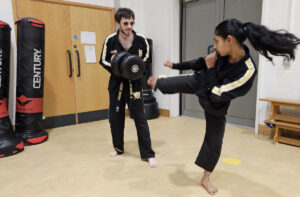 Pre-Teens & Teenagers (11-16 years)
For pre-teens and teenagers, the martial arts journey becomes one of personal exploration and growth. At this stage, Total Martial Arts focuses on leveraging martial arts for broader life skills.
Stress Relief: Adolescence is fraught with new pressures. Martial arts serve as an excellent outlet for stress. The physical exertion combined with the meditative aspects of martial arts offers a dual benefit – burning off energy and calming the mind. Our classes are tailored to include elements of mindfulness, teaching teens how to manage stress effectively.
Self-Defense: With the onset of teenage years, self-defense becomes more relevant. We ensure that our older students are equipped with practical self-defense techniques, fostering a sense of security. This knowledge is imparted with a focus on responsibility, underlining the importance of using these skills judiciously.
Physical Fitness: At this age, maintaining physical fitness is crucial. Our advanced classes at Total Martial Arts are designed to enhance endurance, strength, and flexibility, preparing teens for competitive sports or simply a healthier lifestyle. These physical benefits are paired with nutritional guidance, offered during our seminars, promoting a holistic approach to health.
Leadership and Perseverance: Martial arts at Total Martial Arts aren’t just about physical prowess; they’re about character building. Leadership roles within the academy, like assisting in teaching younger classes or organizing events, help teens develop leadership qualities. Moreover, the journey through different belt ranks teaches perseverance, a trait invaluable for academic pursuits and future career aspirations.
Many of our students from Swindon and Cirencester have cited their martial arts training as a key factor in their personal statements for college applications, showcasing their dedication and personal growth.
At Total Martial Arts, we are committed to providing not just martial arts training but a platform for comprehensive personal development. Our programmes are crafted with care, ensuring that from the playful learning of preschoolers to the disciplined growth of teenagers, every child in Swindon and Cirencester finds value in their journey with us.
Remember, the path to a well-rounded individual begins with a single step into our academy.
For more information, get in touch and discover how our unique training can provide your child with invaluable skills for both the academy and life beyond.
The Importance of Verbal Judo in Martial Arts Training
In the world of martial arts, most people immediately think of striking, grappling, and self-defence techniques. However, one aspect that often gets overlooked is communication — specifically, the skill of verbal judo.
At Total Martial Arts, we firmly believe that mastering verbal judo is just as essential as any physical skill taught in our classes. In this blog post, we’ll explore what verbal judo is, why it’s crucial for children and young adults, and how it can empower them in everyday situations.
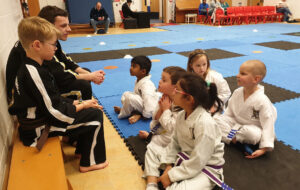 What is Verbal Judo?
Verbal judo is a term coined by Dr. George J. Thompson, a former law enforcement officer and martial artist, who developed techniques to de-escalate potentially violent confrontations through the art of effective communication. The underlying premise is that words can be powerful tools, just as martial arts techniques can be.
Verbal judo focuses on maintaining control of a conversation and diffusing tense situations by employing empathy, patience, and strategic language. Rather than resorting to physical confrontation, this approach fosters understanding and dialogue, making it a valuable skill in both personal and professional settings.
Why is Verbal Judo Essential?
- Conflict Resolution
As children and teenagers navigate their social environments, they inevitably encounter conflicts, whether it be disagreements with peers or misunderstandings with adults. Verbal judo equips them with the skills needed to approach these situations constructively. Instead of escalating tensions, children learn to communicate their feelings and intentions effectively, facilitating resolution without resorting to aggression.
Example: In a playground disagreement over a toy, a child trained in verbal judo might say, “I see you’re upset because you want to play with that. Let’s take turns,” instead of shouting or shoving.
- Emotional Regulation
Teaching children the art of carrying a conversation helps them develop emotional intelligence. Understanding how to phrase their thoughts clearly and positively, they become better at expressing their feelings, which assists in regulating their emotional responses. When children can articulate their emotions rather than acting on them, they are less likely to find themselves in volatile situations.
- Building Self-Confidence
Learning the skill of verbal judo can significantly boost a child’s self-esteem. When they know they can handle difficult conversations appropriately, they become more confident in their social interactions. This confidence transfers to other aspects of their lives, from academic settings to friendships.
Example: A child who can calmly respond to a challenging question from a teacher or effectively state their opinion in a group discussion will likely feel more at ease and secure in their abilities.
- Developing Empathy and Listening Skills
Verbal judo places a strong emphasis on active listening, an essential component for any meaningful interaction. By learning to listen fully before responding, children develop empathy and understanding towards others, making them more skilled communicators. This skill set is increasingly vital in today’s world, where emotional awareness plays a crucial role in interpersonal relationships, whether at home, school, or beyond.
- De-Escalation Techniques
In physical confrontations, understanding how to use words to defuse a situation can be a life-saving skill. Teach children how to recognise rising tensions and provide them with tools to address them verbally. This could mean using humour, acknowledging someone’s feelings, or simply adopting a calm and neutral tone of voice.
Example: In a situation where someone is agitated, a child could say, “I can see that you’re really passionate about this. Let’s talk about what we can do to work this out.”
 How Does Verbal Judo Complement Physical Martial Arts Training?
- A Comprehensive Skillset
At Total Martial Arts, our philosophy is rooted in the idea that effective martial artists are well-balanced individuals. The integration of verbal judo with physical training creates a comprehensive skill set. While physical techniques are crucial for self-defence, the ability to handle conflict verbally empowers children in all areas of life.
- Enhancing Situational Awareness
Engaging in both verbal and physical training improves a child’s situational awareness. They learn to assess their environment, recognise potential conflicts, and use the appropriate responses. By cultivating this awareness, children can de-escalate scenarios before they evolve into physical altercations.
- Confidence in All Aspects of Life
When children learn to combine physical techniques with effective communication, they develop confidence not only in self-defence but also in various social settings. They become not just better martial artists, but also better friends, family members, and community members.
- Reinforcing Values of Respect and Integrity
Martial arts training places a strong emphasis on respect and integrity. By teaching verbal judo alongside physical techniques, children learn to honour these values in their interactions. Communication becomes a means of building bridges and resolving conflicts rather than a tool for bullying or intimidation.
Practical Exercises for Verbal Judo
Integrating verbal judo into martial arts training or everyday life can be done through various exercises:
- Role Play Scenarios
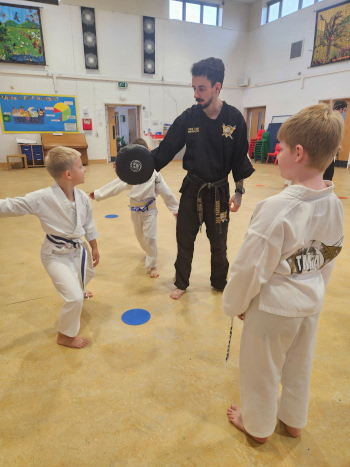
We encourage role-playing exercises where children can practice conflict situations. Pair them up and have them take turns using verbal judo techniques to navigate these challenges. This could include dealing with peer pressure, resolving disputes, or responding to criticism.
- Reflection and Discussion
After a class or a particularly challenging day, we have a reflective discussion. Encourage children to share what made them frustrated and how they might respond better in the future. This opens the floor for learning and growth while emphasising the importance of verbal skills.
- Storytelling and Active Listening Games
We engage children in storytelling sessions where they must pay attention to details and respond thoughtfully to questions. This encourages active listening skills and helps them practice speaking clearly and with intent.
Conclusion
Incorporating verbal judo into martial arts training is essential for fostering well-rounded individuals. At Total Martial Arts, we are committed to providing our students with the tools they need to navigate conflicts effectively and confidently, ensuring they are not only capable fighters but also outstanding communicators.
By focusing on verbal judo skills, we equip children and teenagers with the ability to face life’s challenges with poise and wisdom. If you’re a parent in the UK and are looking to enrich your child’s martial arts experience, we invite you to join us at Total Martial Arts. Together, we can empower the next generation to thrive in every aspect of life.
For more information, get in touch and discover how our unique training can provide your child with invaluable skills for both the dojo and life beyond.
How Martial Arts Can Help Improve Behaviour Issues in Children Aged 3-18
How Martial Arts Can Help Improve Behaviour Issues in Children: As parents, we all want children who thrive, both emotionally and socially. However, many parents face the challenge of behaviour issues that can disrupt a child’s development.
From impulsiveness to anxiety, behaviour problems can manifest in various ways, affecting a child’s ability to learn and interact with others.
At Total Martial Arts, we believe that martial arts can be a transformative experience not just physically, but mentally and emotionally as well. This blog post will delve into how our training can support children aged 3-18 in overcoming behaviour challenges while fostering essential life skills.
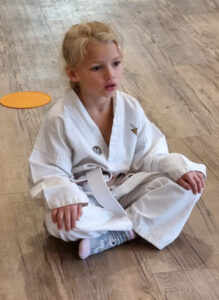 Understanding Behaviour Issues in Children
Behaviour issues in children can vary widely, but common symptoms include:
- Impulsivity: Acting without thinking, leading to poor decision-making.
- Aggression: Outbursts of anger, fighting, or defiance towards authority figures.
- Anxiety: Excessive worry and fear, affecting a child’s ability to participate in social situations.
- Hyperactivity: Difficulty maintaining focus or sitting still.
- Social Withdrawal: Avoiding interactions with other children.
- Low Self-Esteem: A lack of confidence that can manifest as hesitation to engage with peers.
Spotting Behaviour Issues
Recognising behavioural challenges in children is key to addressing them. Signs may include:
- Frequent tantrums: Outbursts that seem disproportionate to the situation.
- Difficulty following rules: Consistently testing boundaries.
- Struggles with social interactions: Finding it hard to make or keep friends.
- Problems in school: Poor academic performance, trouble fitting in, or conflict with teachers and classmates.
According to the NHS, one in ten children may experience a mental health issue, including behaviour disorders, at some point in their lives. This highlights the importance of early intervention and support.
How Martial Arts Can Help
Martial arts training offers a unique approach to dealing with behaviour issues, emphasizing non-physical aspects such as discipline, respect, and mindfulness. Here’s how martial arts can assist in improving behaviour and overall wellbeing:
-
Building Discipline
Martial arts instils discipline in children from the outset. The structure of classes, with clear expectations and set routines, teaches children the importance of following directions and respecting authority.
Children learn to:
– Follow instructions carefully.
– Maintain focus during practice.
– Commit to regular training, fostering responsibility.
-
Enhancing Self-Control
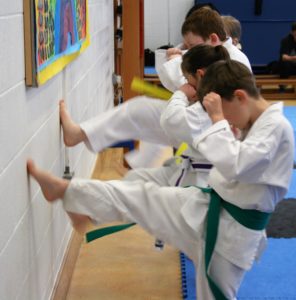 The practice of martial arts often involves training both the mind and body. Through techniques such as controlled breathing and meditation, children learn to manage their emotions and reactions effectively.
Improved self-control can translate into better behaviour in several ways:
– Reduced Impulsivity: Children learn to take a moment before acting, promoting thoughtful decision-making.
– Calmness in Conflict: Skills gained through martial arts can help children remain calm during disagreements rather than resorting to aggression.
-
Fostering Confidence and Self-Esteem
Martial arts training is structured around gradual progression, meaning children experience achievable goals and tangible results. Each new belt earned is not just a physical marker but an emotional milestone that promotes:
– Self-Acceptance: Understanding one’s abilities and limitations.
– Improved Social Interaction: As children gain confidence, they feel more comfortable engaging with peers.
-
Promoting Respect and Empathy
Martial arts education places a strong emphasis on respect for teachers, peers, and oneself. This foundational principle teaches children to appreciate others’ feelings and boundaries. As a result, children learn to:
– Acknowledge others in interactions, fostering a sense of community.
– Develop deeper empathy, leading to healthier relationships with peers.
-
Encouraging Goal Setting
Martial arts encourages goal-oriented behaviour. Children learn to set personal objectives, whether that’s perfecting a technique or achieving a new belt rank. This goal-oriented mindset nurtures:
– Persistence: Understanding that setbacks are part of the journey.
– Long-term Planning: Recognising the effort required to achieve goals, which can help in academic settings too.
-
Instilling Mindfulness and Focus
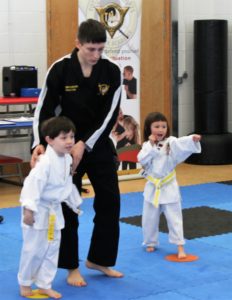
Martial arts training often includes mindfulness techniques that encourage children to be present in the moment.
Focus is crucial in martial arts, requiring:
– Awareness of surroundings.
– Concentration on techniques and movements.
These skills can subsequently improve a child’s attention span both in class and at home.
-
Providing a Supportive Environment
At Total Martial Arts, we foster a nurturing environment where children feel safe to express themselves while figuring out their behaviour. Creating a supportive atmosphere contributes to positive behavioural changes by:
– Reducing anxiety: A safe training space allows children to take risks and explore new behaviours without fear of judgement.
– Building peer relationships: Positive interaction with instructors and classmates can encourage good behaviour beyond the dojo.
Success Stories from Total Martial Arts
Our academy has witnessed numerous success stories highlighting the impacts of martial arts training on children with behaviour issues. From boosting confidence in shy children to reducing aggression in more impulsive youngsters, the transformations we see reinforce the effectiveness of martial arts as a development tool.
Parents often share stories of improved classroom behaviour and social relationships after their children start training with us. They note a significant decrease in anxiety levels and an increase in focus and discipline at home.
To read more about these success stories, visit our Google Reviews page
Conclusion
Martial arts is more than just kicking and punching; it’s a comprehensive life skill programme that fosters growth in children aged 3-18. By focusing on discipline, respect, and emotional intelligence, martial arts can effectively address behaviour issues, promoting healthier interactions both in class and at home.
If you’re a parent in the UK looking for solutions to help your child navigate behaviour challenges, consider enrolling them at Total Martial Arts. Join our community and witness first-hand the transformative benefits our training can provide.
For more details, give us a call at 07765 202363. Together, we can empower your child to thrive both on and off the mat.
10 Top Tips for Teenagers and Young People: Staying Safe on the Streets
As parents, one of our primary concerns is the safety of our children, especially as they grow into teenagers and gain more independence.
The streets can present various potential dangers, from confrontational situations to unsafe environments. Equipping teenagers and young people with the knowledge and skills to navigate these challenges is crucial.
In this blog post, we will outline ten essential tips for teenagers to stay safe on the streets, while also emphasizing the significant role martial arts can play in enhancing their physical and mental preparedness.
- Stay Aware of Your Surroundings – Practice Situational Awareness
One of the simplest yet most effective ways to stay safe is to cultivate a habit of situational awareness. Encourage your teenager to be mindful of their surroundings at all times. Whether they are walking, waiting for public transportation, or hanging out with friends, observing the environment can help identify potential dangers early.
Martial Arts Perspective:
Martial arts practice often emphasizes awareness and focus. Training teaches teenagers to read body language and recognize potential threats, which can be invaluable in avoiding dangerous situations. Consider enrolling your teenager in martial arts classes that promote mindfulness and situational awareness.
- Choose Safe Routes – Plan Your Path
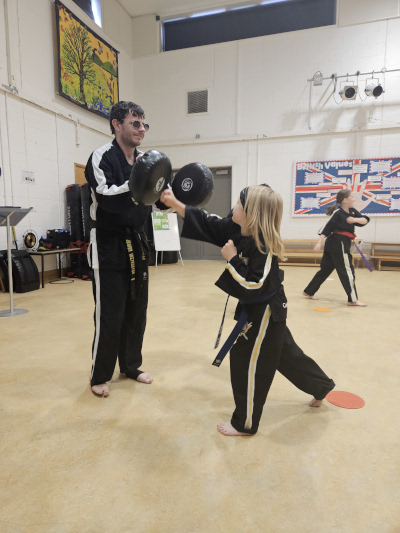
Before heading out, your teenager should plan their route, choosing well-lit, populated areas over deserted streets or shortcuts that may be less safe. Encourage them to avoid walking alone, especially in unfamiliar areas.
 Martial Arts Perspective:
Martial arts training can instill a sense of decision-making and critical thinking. Students learn to assess their surroundings for the safest options, including route choices. This skill can significantly enhance their safety awareness.
- Trust Your Instincts – Listen to Your Gut Feelings
Teenagers should be taught the importance of trusting their instincts. If something feels off or if they sense danger, they should not hesitate to remove themselves from the situation.
Martial Arts Perspective:
Martial arts practice often involves paying attention to one’s body and reflexes. This training can help teenagers enhance their intuition and gut instincts, allowing them to make quicker, safer decisions based on their feelings.
- Avoid Excessive Distractions – Limit Phone Use
While smartphones are essential tools for communication, being overly distracted by them (like texting or scrolling through social media) can be hazardous when out in public. Encourage teenagers to limit phone use when walking and keep it in a secure place.
Martial Arts Perspective:
Training in martial arts teaches focus and the ability to maintain attention in the moment. By practicing mindfulness, teenagers can become more adept at keeping distractions at bay and recognizing their environment.
- Stay Connected – Share Location and Stay in Touch
Encourage your teenager to stay connected with family or friends when out. They can share their location via smartphone apps, which helps parents know their whereabouts and provides an added layer of safety.
Martial Arts Perspective:
Martial arts often fosters a sense of community and camaraderie, teaching youngsters the value of teamwork and communication. These lessons can be applied when they are out in public, encouraging them to keep friends or family informed.
- Avoid Confrontational Situations – De-Escalate Conflicts
Teenagers can sometimes encounter aggressive individuals. It’s vital to teach them not to engage in confrontations. If faced with aggression, they should try to remain calm and seek a way out without escalating the situation.
Martial Arts Perspective:
Martial arts training includes conflict resolution and de-escalation strategies. By learning these skills, teenagers can better handle tense situations and know how to diffuse conflict without resorting to violence.
- Learn Self-Defence Techniques – Enrol in Self-Defence Classes
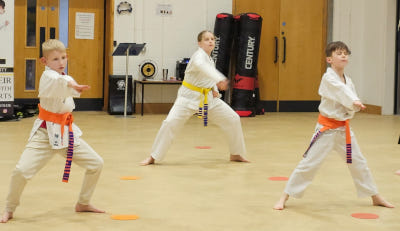
Practical self-defence training is invaluable. Encouraging your teenager to join martial arts or self-defence classes can equip them with essential skills to protect themselves if faced with danger.
 Martial Arts Perspective:
Martial arts focuses heavily on teaching effective self-defence techniques, from striking and blocking to grappling and submission. As they train, teenagers not only learn how to defend themselves but build confidence, discipline, and resilience.
- Avoid Risky Behaviour – Make Informed Choices
Discuss the importance of making responsible choices, especially in high-risk environments. Staying away from drugs and alcohol and avoiding risky situations can significantly reduce the chances of danger.
Martial Arts Perspective:
Many martial arts disciplines reinforce values like respect and discipline. Training helps teenagers develop self-control and understand the consequences of their actions, steering them away from risky behaviours.
- Keep Personal Belongings Secure – Carry Essentials Safely
Encourage your teenager to keep personal belongings secure while on the go. They should avoid carrying large amounts of cash, flashy jewellery, or items that may draw unnecessary attention.
Martial Arts Perspective:
Martial arts training teaches the importance of control and movement. Learning to protect their personal space and belongings can reinforce teenagers’ awareness and precautionary measures in public settings.
- Practice Regularly and Stay Fit – Maintain Physical Fitness
Physical fitness plays a vital role in overall safety. Encourage your teenager to stay active to build stamina and strength. This practice will not only help them perform self-defence moves but also enhance confidence.
Martial Arts Perspective:
Engaging in martial arts can be an exciting way to stay fit. Regular training builds physical strength, agility, and reactions that can be extremely helpful when facing dangerous situations. The mental aspect of regular practice further boosts self-esteem and resilience.
Conclusion
As the world presents teenagers with various challenges, equipping them with essential safety skills is crucial for their independence and well-being.
By following these ten tips, parents can help their teenagers navigate public spaces more confidently and safely. Emphasizing martial arts as a tool for physical self-defence and mental readiness can empower young people to face challenges and handle conflicts effectively.
Remember that teaching them the importance of awareness, trust, and responsible behaviour can create a strong foundation for a safe and confident journey through adolescence.
At TMA our aims are to teach functional and effective martial arts in a fun and friendly environment, whilst strengthening the mind, body and spirit.
Get in touch to book your trial today: 07765 202363
Empowering Children: Using Martial Arts to Address Knife Crime in the UK
Empowering Children: Using Martial Arts to Address Knife Crime in the UK
In today’s society, the safety and security of our children teenagers are of paramount importance.
With the rise in knife crime incidents across the UK, parents are understandably concerned about the safety of their children.
One effective way to empower teenagers and young children to protect themselves and navigate challenging situations like knife crime is through the practice of martial arts.
Understanding the Reality of Knife Crime
Before delving into how martial arts can help combat knife crime, it’s essential to grasp the gravity of the issue at hand.
Knife crime in the UK has been a growing concern, with many incidents involving teenagers both as victims and perpetrators. Parents are rightfully worried about the safety of their children in such an environment.
Empowering Children Through Martial Arts
Martial arts offer more than just self-defence techniques; they can instil discipline, confidence, and resilience in teenagers.
Here are some ways in which martial arts can benefit teenagers and help them protect themselves from knife crime:
Physical Preparedness
Martial arts training focuses on physical fitness, agility, and techniques that can be crucial in self-defence situations. By learning martial arts, teenagers can develop strength, stamina, and reflexes that are essential for reacting swiftly and effectively in threatening scenarios.
Self-Defence Skills
One of the primary benefits of martial arts is teaching practical self-defence techniques. By mastering techniques such as blocking, striking, and grappling, children can enhance their ability to protect themselves in confrontational situations, including those involving knives.
Confidence and Assertiveness
Martial arts training boosts self-confidence and assertiveness in teenagers. Knowing that they possess the skills to defend themselves can help them feel more secure and less vulnerable in potentially dangerous situations.
This confidence can also deter potential attackers who might perceive them as easy targets.
Discipline and Control
Martial arts emphasize discipline, self-control, and respect for oneself and others. Children who practice martial arts learn to manage their emotions, make calculated decisions, and avoid unnecessary conflicts. These qualities are invaluable in diffusing aggressive situations and staying composed under pressure.
The Mental Benefits of Martial Arts
Apart from the physical aspects, martial arts training offers numerous mental and emotional benefits that can aid teenagers in dealing with conflicts, including knife crime:
Focus and Concentration Martial arts require focus and concentration to master techniques and respond effectively to challenges. By honing their focus through martial arts practice, teenagers can improve their situational awareness and make sound decisions in high-pressure situations.
Emotional Resilience
Martial arts cultivate emotional resilience by teaching teenagers to cope with stress, setbacks, and fear. This resilience is crucial in handling potentially threatening situations like encountering a knife-wielding assailant without succumbing to panic or fear.
Conflict Resolution Skills
Martial arts promote non-violent conflict resolution strategies, teaching children to resolve disputes peacefully whenever possible. By learning to communicate effectively, de-escalate conflicts, and seek peaceful resolutions, they can minimize the likelihood of escalating confrontations that may lead to violence.
Mindfulness and Control
Through practices like meditation and controlled breathing, martial arts foster mindfulness and emotional control in children. These mental techniques can help teenagers stay calm, focused, and grounded in challenging situations, enabling them to think clearly and act decisively.
Encouraging Children to Embrace Martial Arts
As parents, encouraging teenagers to participate in martial arts classes can be a proactive step towards equipping them with the skills and mindset needed to navigate today’s challenging societal landscape.
By enrolling teenagers in reputable martial arts schools with qualified instructors, parents can empower their children to develop the physical, mental, and emotional tools necessary to protect themselves and others from the threat of knife crime.
Conclusion
In the face of rising knife crime incidents in the UK, parents play a vital role in safeguarding their children and preparing them for potential threats.
Martial arts, like the ones we teach here at TMA, provide a comprehensive approach to self-defence and personal development, offering children the physical skills, mental fortitude, and emotional resilience needed to address situations of conflict, including those involving knives.
By embracing martial arts as a tool for empowerment, parents can empower their children to navigate the complexities of today’s society with confidence, strength, and resilience.
Total Martial Arts Premier Academy offer a class for all ages.
Junior Programs:
Tiny Tigers– ages 3 to 6 years,
Young Dragons – ages 7 to young adults,
Leadership – up to 3rd degree Black Belt including weapons and Success skills – age 7 to young adults.
Adult Programs:
Basic Combat – involves the whole body – giving it a complete workout, making you fitter quicker and feeling rewarded.
Jeet Kune Do – You will learn to be quick on your feet and to execute kicks and punches from both sides of the body along with effective trapping and grappling techniques. You will see your reflexes improve and therefore also your confidence.
Kali / Filipino Martial Arts – uses Panantukan techniques designed to parry and deflect in defence from an opponent. A functional and effective form of self-defence, this street/jungle oriented fighting system has been known as “dirty street fighting” due to its lack of restrictions and rules.
All programs include Self Defence/ Self Protection methods.
At TMA our aims are to teach functional and effective martial arts in a fun and friendly environment, whilst strengthening the mind, body and spirit.
Get in touch to book your trial today: 07765 202363
The Unseen Benefits of Learning Self Defence for Children
The Unseen Benefits of Learning Self Defence for Children
Learning self-defence is a valuable skill that can benefit children in many ways.
Not only does it provide practical skills to protect themselves in dangerous situations, but it also offers a range of other advantages that may not be immediately apparent.
In this blog post, we explore the unseen benefits of children learning self-defence in the UK.
 Enhancing Physical Health and Fitness
Engaging in self-defence classes offers children a dynamic way to enhance their physical health and fitness.
Through these activities, youngsters are encouraged to partake in a variety of movements that bolster their physical strength, augment their flexibility, and elevate their cardiovascular health. Such an active lifestyle is instrumental in warding off common health concerns, including obesity, and equips children with the vitality necessary to tackle daily activities.
Moreover, self-defence training introduces children to the importance of maintaining a healthy body, fostering an appreciation for fitness from an early age.
Regular participation in these sessions ensures that children are not only prepared physically to defend themselves if needed but also promotes a holistic approach to health and well-being.
Boosting Self-Confidence and Self-Esteem
A significant advantage of self-defence training for children is the enhancement of their self-confidence and self-esteem.
As they master new techniques and overcome challenges within the classes, children experience a growing sense of achievement. This process of continuous improvement and the recognition of their own abilities can have a profound impact on their overall confidence.
Such an increase in self-assurance is not confined to the training hall; it extends into everyday life, empowering them to engage more positively with peers and tackle new experiences with a can-do attitude. Furthermore, as children become more proficient in self-defence, they develop a greater sense of personal safety and security, contributing to a more composed and confident demeanour in various situations.
The skills learned go beyond physical defence; they imbue children with the confidence to stand up for themselves and others, fostering a resilient spirit that is invaluable in navigating the complexities of growing up.
This bolstered confidence and self-esteem, cultivated through the discipline and achievements of self-defence training, lay a strong foundation for children to grow into well-rounded and self-assured individuals.
 Developing Discipline and Focus
Within the framework of self-defence training, children are introduced to the essential virtues of discipline and focus.
This is achieved through structured routines and the necessity to pay close attention to detail as they learn and practise new self-defence techniques. Such an environment not only helps in refining their physical capabilities but also sharpens their mental acuity.
As children dedicate themselves to mastering the art of self-defence, they learn the value of perseverance and the rewards of continuous effort. This relentless pursuit of improvement instils in them a disciplined approach to tasks, whether academic, extracurricular, or personal.
Moreover, the requirement for concentrated focus during training sessions aids children in developing a heightened ability to concentrate, a skill that is transferable to academic settings and beyond.
As they learn to channel their attention effectively, their capacity for academic learning and problem-solving can see significant improvement. This enhanced focus and discipline are not limited to the confines of the academy, but permeate all aspects of a child’s life, fostering a structured and determined mindset.
By embedding these principles through the practice of self-defence, children cultivate a disciplined approach to their goals and a focused clarity in their actions, setting them on a path to achieving excellence in various spheres of their lives.
Learning Respect and Social Skills
Self-defence classes serve as a prime environment for nurturing essential social skills amongst children, particularly respect and teamwork.
Within the disciplined structure of these classes, children are encouraged to interact respectfully with both instructors and peers, fostering a culture of mutual understanding and support. This interaction promotes a respect-based ethos that extends beyond the academy, influencing their approach to relationships and social engagements in broader contexts.
Engaging in paired exercises and group activities, children learn the importance of working together towards common goals, highlighting the value of cooperation and empathy. Such collaborative scenarios provide them with the tools to navigate social situations more effectively, building strong interpersonal connections based on shared respect and understanding.
Moreover, the emphasis on respect for others and the discipline inherent in self-defence training aids in developing empathy, teaching children to consider the perspectives and well-being of those around them. This empathetic outlook is crucial for forming compassionate and supportive relationships, both in childhood and later life.
Through the practice of self-defence, children acquire not only the ability to protect themselves but also the social skills needed to thrive in a community, understanding the significance of respect, teamwork, and empathy in their interactions with others.
Understanding and Managing Conflict
One of the key aspects of self-defence training is its role in equipping children with the tools to navigate conflicts wisely and peacefully.
Through the disciplined environment of self-defence classes, children learn not just about physical protection but also about the importance of communication and conflict resolution. They are taught how to recognise the early signs of confrontation and the significance of using their words to prevent escalation.
Such skills are vital, as they provide children with alternative strategies to resolve disputes without resorting to physical aggression. Moreover, these classes often incorporate scenarios that simulate real-life conflicts, giving children a safe space to practise their response strategies.
This hands-on experience is invaluable, as it prepares them for potential real-world situations, encouraging them to think critically and act calmly under pressure. The emphasis on de-escalation techniques helps children understand the power of diplomacy and the importance of seeking peaceful solutions, fostering a mindset that prioritises harmony over conflict.
Incorporating lessons on conflict management within self-defence training ensures that children are not only prepared to defend themselves if necessary but also equipped with the communication skills required to navigate disagreements constructively.
This holistic approach to self-defence education empowers children to become more mindful and effective communicators, significantly enhancing their ability to handle conflict in all areas of their lives.
If you have enjoyed reading this blog post ‘The Unseen Benefits of Learning Self Defence for Children’, you can read other blog articles here.
Training at Total Martial Arts Premier Academy can be life transforming. It has been amazing to see the positive effect it has had on people.
At TMA our aims are to teach functional and effective martial arts in a fun and friendly environment, whilst strengthening the mind, body and spirit.
Get in touch to book your trial today: 07765 202363
How Martial Arts Enhances Social skills and Behavioural Qualities in Children
How Martial Arts Enhances Social skills and Behavioural Qualities in Children.
In a world that places a high value on academic achievement, it is easy to overlook the importance of extracurricular activities in shaping a child’s holistic development.
One such extracurricular activity that has gained recognition for its ability to nurture essential social skills and behavioural qualities in children is martial arts. Beyond the physical aspect of drills and self-defence techniques, martial arts programs offer a rich arena for social interaction, character building, and personal growth.
Today’s blog explores how participation in martial arts can positively impact children. Specifically, how it enhances their social skills and fosters desirable behavioural qualities.
Enhancing Social Skills:
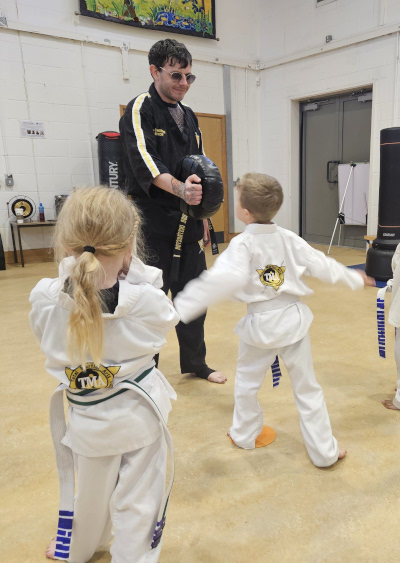 Participation in martial arts provides children with a structured environment. Here, they can interact with peers, instructors, and mentors.
Through group classes, children learn to communicate effectively, collaborate with others. Subsequently, this helps them to develop meaningful relationships. Unlike solitary activities, such as video games or TV watching, martial arts require children to engage with others in a face-to-face setting. This promotes social interaction and interpersonal skills.
Furthermore, martial arts promote a sense of camaraderie and mutual support among practitioners.
In a traditional martial arts school, like Total Martial Arts, students are encouraged to show respect. For their instructors, senior belt holders, and fellow classmates. This emphasis on respect, humility, and discipline cultivates a positive social environment that encourages children to treat others with kindness and consideration.
In addition, martial arts training often involves partner drills and sparring practice. Here, students must learn to read their opponent’s movements, adapt their techniques, and communicate non-verbally through body language.
This hands-on experience teaches children important skills such as empathy, conflict resolution, and emotional intelligence. All of which are essential for navigating complex social situations both inside and outside our academy.
Fostering Behavioural Qualities:
Beyond social skills, martial arts also play a significant role in shaping children’s behavioural qualities and character development.
The core principles of martial arts are discipline, perseverance, respect, and self-control. These serve as guiding values that students are expected to uphold in their training and daily lives. One of the key benefits of martial arts training is the cultivation of self-discipline and self-regulation.
Through the rigorous practice of techniques, forms, and drills, children learn the importance of setting goals, staying focused, and working diligently towards their objectives. This habit of disciplined practice not only improves their martial arts skills but also translates into other areas of their lives. For example, academics, extracurricular activities, and personal relationships.
Moreover, martial arts instil a sense of resilience and mental toughness in children. It teaches them to overcome obstacles, face challenges, and persevere in the face of adversity.
Whether it’s mastering a difficult technique, or enduring physical discomfort during training. Martial arts training builds a strong foundation of grit and determination that helps children develop a growth mindset and a positive attitude towards setbacks and failures.
Choose Martial Arts:
 So, you can now see how martial arts enhances social and behavioural qualities in children. How they offer a unique opportunity for children to develop better social skills and behavioural qualities that are essential for their personal and academic success.
By engaging in structured training, practice, and interaction with peers and instructors, children are exposed to a rich learning environment. A place that promotes teamwork, communication, respect, discipline, and resilience.
As parents and educators, we must recognize the transformative power of martial arts in shaping well-rounded individuals. The type who possess not only physical prowess but also the emotional intelligence and moral fortitude to thrive in an increasingly complex and interconnected world.
Training at Total Martial Arts Premier Academy can be life transforming. It has been amazing to see the positive effect it has had on people.
At TMA our aims are to teach functional and effective martial arts in a fun and friendly environment, whilst strengthening the mind, body and spirit.
Get in touch to book your trial today: 07765 202363