

The Benefits of Martial Arts for Different Children's Groups
At Total Martial Arts in Swindon, we understand that every stage of childhood development brings unique challenges and opportunities.
Martial arts offer a dynamic environment that not only nurtures physical abilities but also enhances mental and emotional growth. Here, we delve into how our programmes benefit children at different ages, tailored specifically for our communities in Swindon and Cirencester.
Preschoolers (3-5 years)
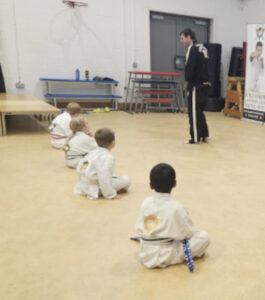 For the little ones, the journey into martial arts begins with fun and games. At Total Martial Arts, we recognize that preschoolers aged 3 to 5 years are in a crucial phase of developing their motor skills. Our classes are designed to engage their natural curiosity and short attention spans in a playful, yet structured environment.
Motor Skill Development: Our programme incorporates activities that help in refining gross motor skills. Through activities like hopping, balancing, and basic kicking, which mimic martial arts moves, children enhance their coordination and spatial awareness. Each class is a playground where learning happens through laughter and movement, which is particularly effective for this age group.
Increasing Focus: Martial arts require listening and following instructions, which naturally boosts concentration. We use short, repetitive drills to keep engagement high. Our instructors at Total Martial Arts are adept at transitioning between activities seamlessly, ensuring that the focus remains on learning while keeping the fun factor alive.
Instilling Discipline: Discipline is introduced in a gentle, positive manner. Simple commands like ‘bow to your instructor’ or ‘wait for your turn’ teach respect and patience. These practices, fundamental in martial arts, lay the groundwork for self-discipline in a way that’s understandable and enjoyable for preschoolers.
At Total Martial Arts, we adapt our sessions to ensure they are not only educational but also incredibly engaging, respecting the natural energy levels and learning pace of young children.
 Kids (6-10 years)
As children grow, so do their needs and the complexity of our martial arts programmes. For kids aged 6 to 10, our focus shifts towards building on the foundational skills with an emphasis on personal development.
Improved Coordination: By this age, children are ready for more complex movements. Our curriculum at Total Martial Arts includes sequences that require precision, enhancing both fine and gross motor coordination. This not only benefits their martial arts practice but also carries over to other physical activities.
Confidence Building: Confidence comes from competence. Our structured belt system provides clear goals for achievement, giving children a sense of accomplishment with each progression. The supportive environment at Total Martial Arts allows kids to step out of their comfort zones in a safe space, fostering self-esteem. Testimonials from parents often highlight the transformation in their child’s confidence.
Anti-Bullying Strategies: Martial arts naturally incorporate self-defence, but at Total Martial Arts, we go a step further by teaching children how to handle bullying situations with confidence and wisdom. Our instructors use role-playing to demonstrate non-violent conflict resolution, empowering children with the knowledge of when to defend and how to de-escalate.
 Pre-Teens & Teenagers (11-16 years)
For pre-teens and teenagers, the martial arts journey becomes one of personal exploration and growth. At this stage, Total Martial Arts focuses on leveraging martial arts for broader life skills.
Stress Relief: Adolescence is fraught with new pressures. Martial arts serve as an excellent outlet for stress. The physical exertion combined with the meditative aspects of martial arts offers a dual benefit – burning off energy and calming the mind. Our classes are tailored to include elements of mindfulness, teaching teens how to manage stress effectively.
Self-Defense: With the onset of teenage years, self-defense becomes more relevant. We ensure that our older students are equipped with practical self-defense techniques, fostering a sense of security. This knowledge is imparted with a focus on responsibility, underlining the importance of using these skills judiciously.
Physical Fitness: At this age, maintaining physical fitness is crucial. Our advanced classes at Total Martial Arts are designed to enhance endurance, strength, and flexibility, preparing teens for competitive sports or simply a healthier lifestyle. These physical benefits are paired with nutritional guidance, offered during our seminars, promoting a holistic approach to health.
Leadership and Perseverance: Martial arts at Total Martial Arts aren’t just about physical prowess; they’re about character building. Leadership roles within the academy, like assisting in teaching younger classes or organizing events, help teens develop leadership qualities. Moreover, the journey through different belt ranks teaches perseverance, a trait invaluable for academic pursuits and future career aspirations.
Many of our students from Swindon and Cirencester have cited their martial arts training as a key factor in their personal statements for college applications, showcasing their dedication and personal growth.
At Total Martial Arts, we are committed to providing not just martial arts training but a platform for comprehensive personal development. Our programmes are crafted with care, ensuring that from the playful learning of preschoolers to the disciplined growth of teenagers, every child in Swindon and Cirencester finds value in their journey with us.
Remember, the path to a well-rounded individual begins with a single step into our academy.
For more information, get in touch and discover how our unique training can provide your child with invaluable skills for both the academy and life beyond.

How Martial Arts Can Help Improve Behaviour Issues in Children Aged 3-18
How Martial Arts Can Help Improve Behaviour Issues in Children: As parents, we all want children who thrive, both emotionally and socially. However, many parents face the challenge of behaviour issues that can disrupt a child’s development.
From impulsiveness to anxiety, behaviour problems can manifest in various ways, affecting a child’s ability to learn and interact with others.
At Total Martial Arts, we believe that martial arts can be a transformative experience not just physically, but mentally and emotionally as well. This blog post will delve into how our training can support children aged 3-18 in overcoming behaviour challenges while fostering essential life skills.
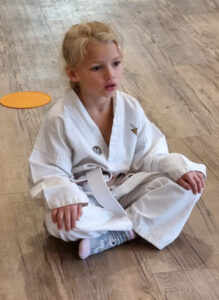 Understanding Behaviour Issues in Children
Behaviour issues in children can vary widely, but common symptoms include:
- Impulsivity: Acting without thinking, leading to poor decision-making.
- Aggression: Outbursts of anger, fighting, or defiance towards authority figures.
- Anxiety: Excessive worry and fear, affecting a child’s ability to participate in social situations.
- Hyperactivity: Difficulty maintaining focus or sitting still.
- Social Withdrawal: Avoiding interactions with other children.
- Low Self-Esteem: A lack of confidence that can manifest as hesitation to engage with peers.
Spotting Behaviour Issues
Recognising behavioural challenges in children is key to addressing them. Signs may include:
- Frequent tantrums: Outbursts that seem disproportionate to the situation.
- Difficulty following rules: Consistently testing boundaries.
- Struggles with social interactions: Finding it hard to make or keep friends.
- Problems in school: Poor academic performance, trouble fitting in, or conflict with teachers and classmates.
According to the NHS, one in ten children may experience a mental health issue, including behaviour disorders, at some point in their lives. This highlights the importance of early intervention and support.
How Martial Arts Can Help
Martial arts training offers a unique approach to dealing with behaviour issues, emphasizing non-physical aspects such as discipline, respect, and mindfulness. Here’s how martial arts can assist in improving behaviour and overall wellbeing:
-
Building Discipline
Martial arts instils discipline in children from the outset. The structure of classes, with clear expectations and set routines, teaches children the importance of following directions and respecting authority.
Children learn to:
– Follow instructions carefully.
– Maintain focus during practice.
– Commit to regular training, fostering responsibility.
-
Enhancing Self-Control
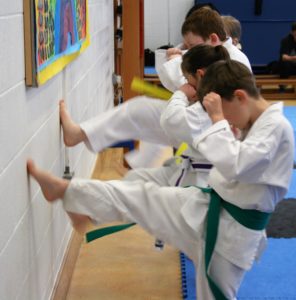 The practice of martial arts often involves training both the mind and body. Through techniques such as controlled breathing and meditation, children learn to manage their emotions and reactions effectively.
Improved self-control can translate into better behaviour in several ways:
– Reduced Impulsivity: Children learn to take a moment before acting, promoting thoughtful decision-making.
– Calmness in Conflict: Skills gained through martial arts can help children remain calm during disagreements rather than resorting to aggression.
-
Fostering Confidence and Self-Esteem
Martial arts training is structured around gradual progression, meaning children experience achievable goals and tangible results. Each new belt earned is not just a physical marker but an emotional milestone that promotes:
– Self-Acceptance: Understanding one’s abilities and limitations.
– Improved Social Interaction: As children gain confidence, they feel more comfortable engaging with peers.
-
Promoting Respect and Empathy
Martial arts education places a strong emphasis on respect for teachers, peers, and oneself. This foundational principle teaches children to appreciate others’ feelings and boundaries. As a result, children learn to:
– Acknowledge others in interactions, fostering a sense of community.
– Develop deeper empathy, leading to healthier relationships with peers.
-
Encouraging Goal Setting
Martial arts encourages goal-oriented behaviour. Children learn to set personal objectives, whether that’s perfecting a technique or achieving a new belt rank. This goal-oriented mindset nurtures:
– Persistence: Understanding that setbacks are part of the journey.
– Long-term Planning: Recognising the effort required to achieve goals, which can help in academic settings too.
-
Instilling Mindfulness and Focus
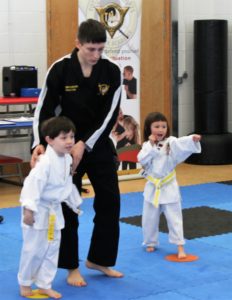
Martial arts training often includes mindfulness techniques that encourage children to be present in the moment.
Focus is crucial in martial arts, requiring:
– Awareness of surroundings.
– Concentration on techniques and movements.
These skills can subsequently improve a child’s attention span both in class and at home.
-
Providing a Supportive Environment
At Total Martial Arts, we foster a nurturing environment where children feel safe to express themselves while figuring out their behaviour. Creating a supportive atmosphere contributes to positive behavioural changes by:
– Reducing anxiety: A safe training space allows children to take risks and explore new behaviours without fear of judgement.
– Building peer relationships: Positive interaction with instructors and classmates can encourage good behaviour beyond the dojo.
Success Stories from Total Martial Arts
Our academy has witnessed numerous success stories highlighting the impacts of martial arts training on children with behaviour issues. From boosting confidence in shy children to reducing aggression in more impulsive youngsters, the transformations we see reinforce the effectiveness of martial arts as a development tool.
Parents often share stories of improved classroom behaviour and social relationships after their children start training with us. They note a significant decrease in anxiety levels and an increase in focus and discipline at home.
To read more about these success stories, visit our Google Reviews page
Conclusion
Martial arts is more than just kicking and punching; it’s a comprehensive life skill programme that fosters growth in children aged 3-18. By focusing on discipline, respect, and emotional intelligence, martial arts can effectively address behaviour issues, promoting healthier interactions both in class and at home.
If you’re a parent in the UK looking for solutions to help your child navigate behaviour challenges, consider enrolling them at Total Martial Arts. Join our community and witness first-hand the transformative benefits our training can provide.
For more details, give us a call at 07765 202363. Together, we can empower your child to thrive both on and off the mat.
How Martial Arts Enhances Social skills and Behavioural Qualities in Children
How Martial Arts Enhances Social skills and Behavioural Qualities in Children.
In a world that places a high value on academic achievement, it is easy to overlook the importance of extracurricular activities in shaping a child’s holistic development.
One such extracurricular activity that has gained recognition for its ability to nurture essential social skills and behavioural qualities in children is martial arts. Beyond the physical aspect of drills and self-defence techniques, martial arts programs offer a rich arena for social interaction, character building, and personal growth.
Today’s blog explores how participation in martial arts can positively impact children. Specifically, how it enhances their social skills and fosters desirable behavioural qualities.
Enhancing Social Skills:
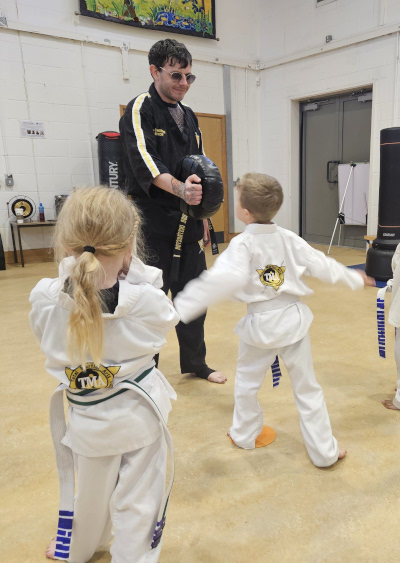 Participation in martial arts provides children with a structured environment. Here, they can interact with peers, instructors, and mentors.
Through group classes, children learn to communicate effectively, collaborate with others. Subsequently, this helps them to develop meaningful relationships. Unlike solitary activities, such as video games or TV watching, martial arts require children to engage with others in a face-to-face setting. This promotes social interaction and interpersonal skills.
Furthermore, martial arts promote a sense of camaraderie and mutual support among practitioners.
In a traditional martial arts school, like Total Martial Arts, students are encouraged to show respect. For their instructors, senior belt holders, and fellow classmates. This emphasis on respect, humility, and discipline cultivates a positive social environment that encourages children to treat others with kindness and consideration.
In addition, martial arts training often involves partner drills and sparring practice. Here, students must learn to read their opponent’s movements, adapt their techniques, and communicate non-verbally through body language.
This hands-on experience teaches children important skills such as empathy, conflict resolution, and emotional intelligence. All of which are essential for navigating complex social situations both inside and outside our academy.
Fostering Behavioural Qualities:
Beyond social skills, martial arts also play a significant role in shaping children’s behavioural qualities and character development.
The core principles of martial arts are discipline, perseverance, respect, and self-control. These serve as guiding values that students are expected to uphold in their training and daily lives. One of the key benefits of martial arts training is the cultivation of self-discipline and self-regulation.
Through the rigorous practice of techniques, forms, and drills, children learn the importance of setting goals, staying focused, and working diligently towards their objectives. This habit of disciplined practice not only improves their martial arts skills but also translates into other areas of their lives. For example, academics, extracurricular activities, and personal relationships.
Moreover, martial arts instil a sense of resilience and mental toughness in children. It teaches them to overcome obstacles, face challenges, and persevere in the face of adversity.
Whether it’s mastering a difficult technique, or enduring physical discomfort during training. Martial arts training builds a strong foundation of grit and determination that helps children develop a growth mindset and a positive attitude towards setbacks and failures.
Choose Martial Arts:
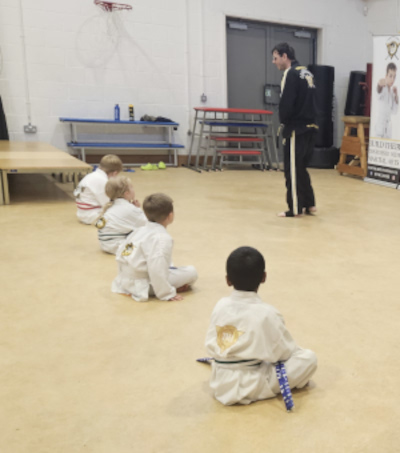 So, you can now see how martial arts enhances social and behavioural qualities in children. How they offer a unique opportunity for children to develop better social skills and behavioural qualities that are essential for their personal and academic success.
By engaging in structured training, practice, and interaction with peers and instructors, children are exposed to a rich learning environment. A place that promotes teamwork, communication, respect, discipline, and resilience.
As parents and educators, we must recognize the transformative power of martial arts in shaping well-rounded individuals. The type who possess not only physical prowess but also the emotional intelligence and moral fortitude to thrive in an increasingly complex and interconnected world.
Training at Total Martial Arts Premier Academy can be life transforming. It has been amazing to see the positive effect it has had on people.
At TMA our aims are to teach functional and effective martial arts in a fun and friendly environment, whilst strengthening the mind, body and spirit.
Get in touch to book your trial today: 07765 202363

Lose Fat and Build Muscle part 2: What to eat
Lose Fat and Build Muscle part 2: What to eat
In the previous article of this series we talked about how easy losing fat actually is and covered some simple nutrition principles that always work when it comes to fat loss.
- Calories down
- Protein up
- Replace some carbohydrates with veggies,
- Replace the bad fats with good ones.
This is the theory and in this article we will look at putting that theory into practice. The truth is, we don’t eat calories, or proteins, or carbs, or fats.
We eat food.

So the question is: what food should you eat to help you lose fat? That’s what we will cover today. And once again we will make this part simple and easy to do. Especially if you break it down one meal at a time.
We will use breakfast as an example.
Here are some breakfast options that won’t help you lose fat. Here are a few examples.
- The “quick breakfast” – like a bagel and cream cheese.
- The “full English breakfast” – like eggs, bacon, hash browns, and toast.
- The “at-home breakfast” – like a bowl of cereal and a glass of orange juice.
So, why aren’t these breakfasts great for losing fat? Well, let’s look to our checklist from the previous article.
- In most of these examples, the calories are too high – especially the full English breakfast.
- In addition, the protein is too low – particularly the at home breakfast.
- Also, the carbs are too high.
- None of the meals include vegetables.
- None of the meals contain healthy fats – and some of them contain too many unhealthy fats.
Another all too common breakfast is the “nothing breakfast” – which is exactly what it sounds like; you eat nothing.
With this breakfast the calories are way down. But it’s also missing all the nutrients that support your lean tissue and speed your metabolism. Additionally skipping breakfast almost always leads to overeating later in the day. Hence skipping breakfast is usually a bad idea.
In all of these breakfasts there are some fundamental flaws that will prevent you from losing fat. In fact, with most of them, you’ll probably end up gaining fat.
Here are some examples of healthy and tasty breakfasts that will help you lose fat and gain muscle
First, let’s look at a “breakfast at home” option. You have a few minutes, you want something delicious, and you want to do your best to lose fat. Well, here’s a good breakfast for that.
A nice omelette, a little side salad, mixed nuts, some avocado, and a touch of extra virgin olive oil dressing. This is easy to make, tasty and it covers every one of our nutritional principles.
When you are really in a hurry and do not have time to cook a good option is a ‘super shake’
This is made by putting the following into a blender for a few seconds: strawberries, blueberries, a splash of almond milk, a little bit of protein powder, some green vegetables and a few ice cubes. It’s quick, it’s incredibly easy, and it tastes amazing. Best of all, it’ll help you lose fat.
This example should demonstrate how easy it is to make any meal healthier without taking too long
We are not advocating a short term diet but rather a long term sustainable change and this takes time to achieve. Don’t try to change every meal and snack you eat straight away, because that’s too hard. It’s too much to change (later in this series, we’ll get into why that is).
For this week, just focus on improving one meal. That may seem small. But it’s a huge step toward lasting fat loss, and one many people never take. In fact, making one small improvement at a time is what we advise all our students to do.
In the next article of this series we will cover exercise for fat loss and muscle growth

Quick, Healthy Meal for Kids.
This is a great meal to give them energy without lots of sugar or artificial ingredients.
Sifu Tony Child
Total Martial Arts
Healthy Meal Ideas
In this article you will find some inspiration for great tasting healthy meals. These meals are designed to give you plenty of energy for hard training and maintain a healthy body composition.
Fillet steak, sweet potato chips and mixed vegetables

The steak is a good protein source and is quick and easy to cook. Sweet potato chips provide carbohydrates. Any kind of vegetables can be used. There is a small square (40g) of 88% dark chocolate for some healthy fats. Adding a slice of lemon to a glass of water is great for extra flavor.
Chicken and vegetable Curry

This is made with sliced chicken breast, mixed vegetables, natural yogurt, pesto, herbs and spices. The advantage of this meal is that it can be made in large amounts and frozen for later.
Tuna Salad, Blueberries and mixed nuts

The Salad is made with a bag of mixed leaves, cucumber, celery, sauerkraut, olive oil and apple cider vinegar.
The packed lunch

This is similar to the meal shown above with salad, blueberries and dark chocolate but its ready to take to work so you can have healthy food at lunch.