
When it comes to martial arts, there are many misconceptions that can deter adults from exploring this ancient practice.
From the belief that martial arts are only for children or the physically gifted to the assumption that martial arts is solely for self-defence and fighting, it’s time to uncover the truth behind these common misconceptions.
In this week’s blog post, we will delve into the biggest misconceptions of martial arts and shed light on the benefits that adults can gain from practising this discipline.
 Martial Arts is Only for Children or the Physically Gifted
The perception that martial arts are the preserve of the young or innately athletic is a myth that needs dispelling.
Martial arts are inclusive, welcoming individuals from diverse backgrounds, ages, and physical capabilities. It is a discipline that offers adaptability and personalisation in its training methods. This ensures that anyone, regardless of their starting point, can partake and thrive.
The journey through martial arts focuses on personal growth, with each practitioner setting and achieving their own benchmarks. Adults, in particular, find martial arts to be a fulfilling way to maintain physical health. In addition, it also cultivates mental resilience and emotional well-being.
The structured nature of martial arts training provides a progressive pathway, allowing each individual to advance at their own pace, making it an accessible and rewarding practice for all.
The Sole Focus is on Fighting and Self-defence
A prevalent but misplaced notion is that martial arts dedicate themselves exclusively to fighting and self-defence.
This narrow viewpoint overlooks the rich, multifaceted nature of martial arts, which transcends mere physical confrontations. Far from being solely about combat readiness, martial arts encompass a comprehensive development of the individual.
Participants benefit from an enhanced physical fitness regime that works in tandem with mental conditioning. The discipline instilled through regular practice fosters a sense of respect, perseverance, and the pursuit of inner harmony.
Through the structured training, like on offer here at Total Martial Arts, individuals learn not just how to defend themselves but, more importantly, the value of self-discipline and the power of a calm, focused mind.
These elements contribute to a holistic growth that equips practitioners with the skills to navigate life’s challenges with grace and resilience, underscoring the deeper significance of martial arts beyond its self-defence capabilities.
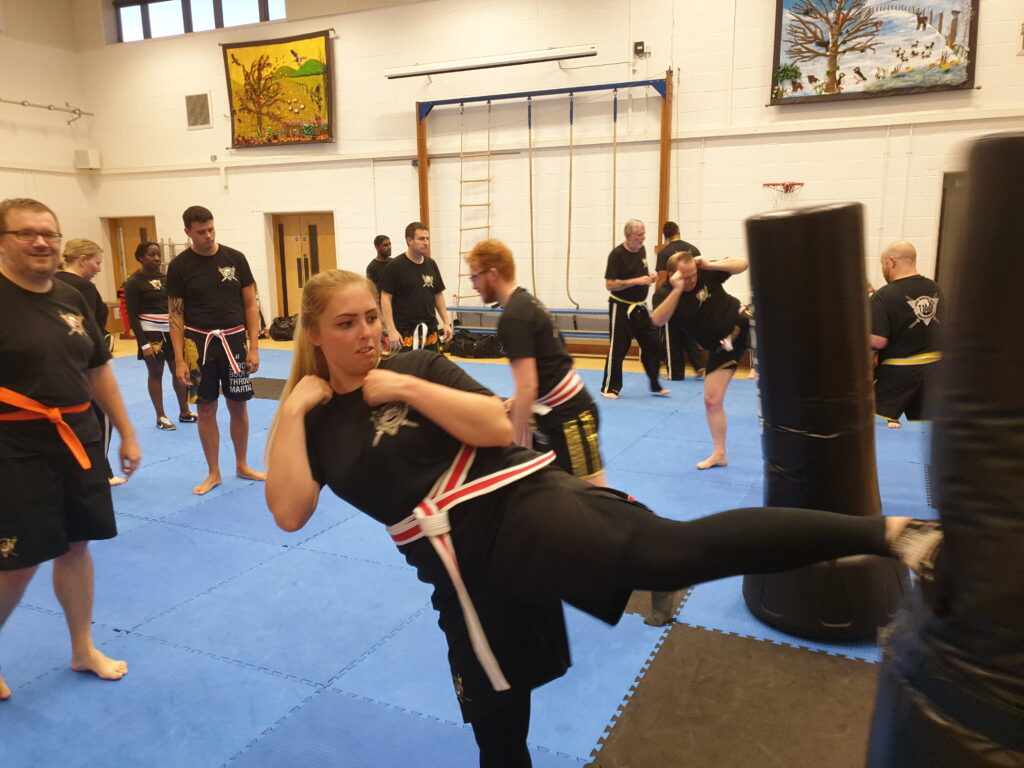
Martial Arts Training Promotes Violence
The pervasive myth that martial arts training engenders a predisposition towards aggression couldn’t be further from the truth.
Far from fostering violent tendencies, the ethos of martial arts centres on peace, respect, and self-control. Practitioners are taught from the outset that physical force is a last resort, to be used only in self-defence or the defence of others.
The training environment promotes a philosophy of non-aggression, where students learn the importance of empathy, understanding, and patience in resolving conflicts. Through rigorous training, individuals develop a profound sense of responsibility for their actions and the situations in which they might apply their skills.
This sense of responsibility is underpinned by a strong moral framework that guides practitioners in making ethical choices, thereby dispelling the notion that martial arts is a catalyst for violence. In essence, the discipline aims to equip its followers with the tools to confront life’s challenges calmly and non-violently, prioritising peaceful resolutions over confrontational responses.
This approach not only mitigates the propensity for violence but also contributes to the building of a more considerate and compassionate character in those who practise martial arts.
Progress is Measured Solely by Belt Colour
 The belief that progress in martial arts is exclusively indicated by the transition from one belt colour to another oversimplifies the richness of one’s martial journey.
Whilst the belt system does offer a structured way to indicate proficiency and achievements, it barely scratches the surface of what true progress entails. Mastery in martial arts transcends physical prowess; it embodies a deeper, more comprehensive development encompassing mental fortitude, emotional balance, and spiritual growth.
Adult practitioners especially appreciate that martial arts provide a holistic path to self-improvement, not confined to the academy but extending into personal and professional realms of life. Achievements are not merely displayed through the colour of a belt but are evident in the confidence with which one carries oneself, the resilience in the face of adversity, and the calmness in moments of turmoil.
The personal milestones one achieves, such as overcoming a personal fear, enhancing focus and concentration, or developing a deeper understanding of martial philosophy, are as significant, if not more so, than any external marker of progress. The journey of martial arts is unique to each individual, with the true measure of advancement being internal transformation and the application of learnt principles in everyday life.
Thus, whilst belt colours provide a visual representation of one’s journey, they are but a single thread in the rich tapestry of martial arts progression. The essence of true growth in this discipline lies in the continuous quest for self-discovery and personal excellence, beyond the confines of any grading system.
Training at Total Martial Arts Premier Academy can be life transforming. It has been amazing to see the positive effect it has had on people.
At TMA our aims are to teach functional and effective martial arts in a fun and friendly environment, whilst strengthening the mind, body and spirit.
Get in touch to book your trial today: 07765 202363